
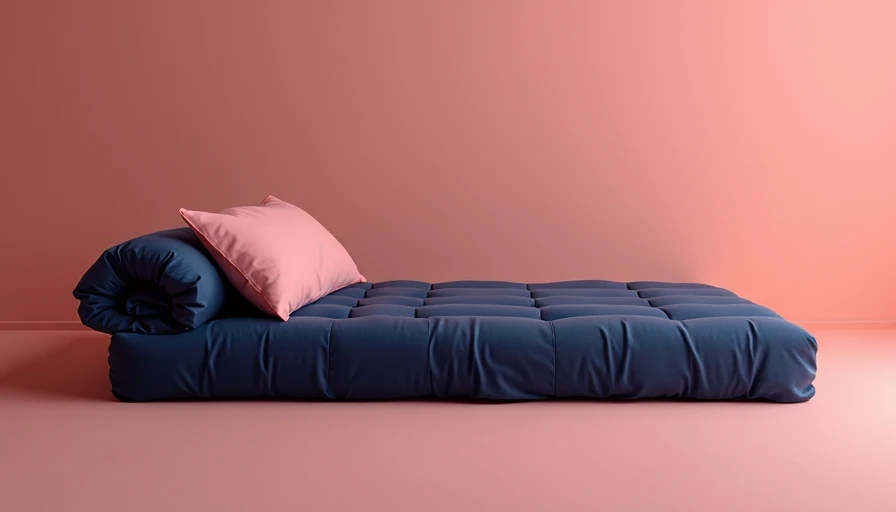
Shikibuton Japanese Futon Mattress for Floor Sleeping: A Calmer Way to Rest
Shikibuton japanese futon mattress for floor sleeping: learn what to look for, how to use one comfortably, and whether this compact bed suits your home.
A shikibuton japanese futon mattress for floor sleeping is a simple bed made for people who want comfort without committing an entire room to a bulky frame. I first noticed this kind of mattress through the same design lens I used when working on everyday products at Muji: what can be removed without taking away the essential function? A shikibuton answers that question beautifully. It folds, stores, and creates a quiet sleeping space with very little visual noise.
The name can be confusing in the United States. A shikibuton is a Japanese-style floor mattress, usually filled with cotton, polyester, or a blend. It is not the same as a thick Western futon designed for a convertible sofa. It is generally thinner, firmer, and intended to be placed directly on a tatami mat, rug, or clean floor.
What makes a shikibuton different
The appeal of a shikibuton japanese futon mattress for floor sleeping is its restraint. Most models measure roughly three to five inches thick, although some are closer to two inches and others use layered foam for extra cushioning. The mattress supports the body without creating the deep, sinking sensation associated with a pillow-top bed.
Traditional versions often use cotton batting, which has a dense, grounded feel. Cotton can compress over time and usually needs regular airing and flipping. Modern versions may add polyester fiber, latex, or foam to improve resilience. The material changes the experience: cotton feels firm and breathable, while foam generally offers more pressure relief and predictable support.
This is also a bed that asks something of its owner. You cannot leave it permanently pressed against a damp floor and expect it to stay fresh. A shikibuton works best when it becomes part of a small routine: unfold it at night, then lift or fold it in the morning so air can circulate.
Choosing the right floor mattress
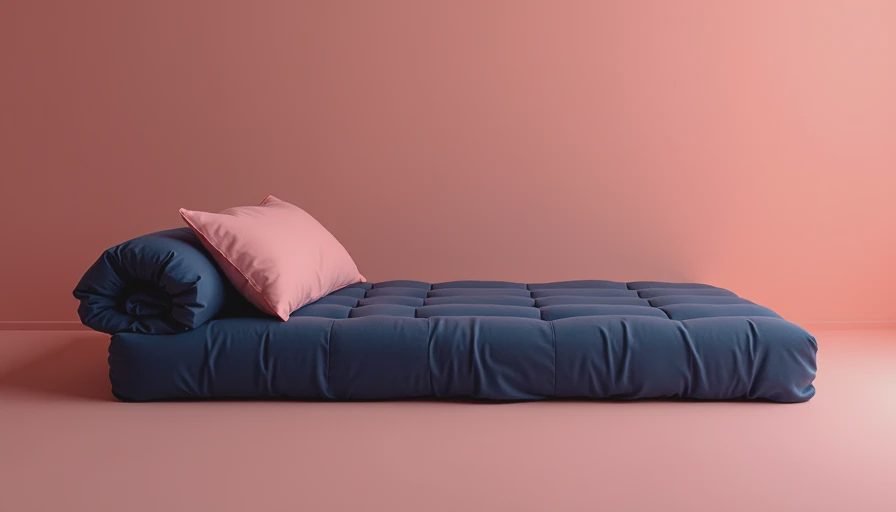
Before buying a shikibuton japanese futon mattress for floor sleeping, measure the room and the person who will use it. A twin size is often about 39 inches wide and works well for one adult. Full and queen sizes offer more room but become heavier and harder to fold. If storage matters, a twin or full mattress is usually the more graceful choice.
Pay close attention to thickness, filling, and weight. A lightweight two-inch cotton mattress may be easy to carry but less forgiving on hardwood. A four-inch model with layered filling can feel more comfortable while weighing 20 to 35 pounds. For a guest room, a middle-weight option is practical; for nightly use, prioritize support and durability over the lowest price.
Budget around $120 to $250 for a basic floor mattress and $250 to $500 for a thicker, more carefully constructed model. Covers, cotton sheets, a folding mat, and a breathable storage bag can add another $50 to $150. The least expensive option is not always the less wasteful one if it loses its shape after a year.
Look for sewn channels or tufting across the surface. These details help keep the filling distributed instead of allowing it to collect in one corner. A removable, washable cover is useful, but the inner mattress still needs airing because a cover does not replace ventilation.
How to make floor sleeping comfortable
A shikibuton japanese futon mattress for floor sleeping should sit on a surface that is clean, dry, and reasonably insulated. Tatami is traditional, but a woven mat, low-profile rug, or breathable slatted base can work in an American apartment. Avoid placing it directly on cold concrete or a floor with trapped moisture.
Start with a fitted sheet made for the mattress dimensions. Standard deep-pocket sheets can bunch around a thin futon, so a shallow fitted sheet or flat sheet tucked securely beneath the mattress often looks and feels better. In colder months, add a wool blanket or thin quilt rather than piling on a thick mattress topper that defeats the purpose of the design.
Give your body several nights to adjust. The first night can feel unusually firm, especially if you are used to a tall pillow-top mattress. A small pillow under the knees may help a back sleeper, while side sleepers often benefit from a slightly thicker model or a separate thin pad beneath the shoulder and hip area.
Each morning, fold the mattress in thirds or roll it according to the maker's instructions. Open windows when practical, expose both sides to air, and avoid storing it in a sealed plastic container. If it develops a persistent musty smell, treat that as a ventilation problem rather than covering it with fragrance.

Floor sleeping in a small home
The best reason to choose a shikibuton japanese futon mattress for floor sleeping may be the space it returns during the day. In an 800-square-foot home, a bedroom can become a studio, reading room, or guest space simply by lifting the mattress into a closet. That is not minimalism as deprivation. It is a room doing more than one job.
There are practical tradeoffs. Getting up from the floor is harder for some people, particularly anyone with knee, hip, or mobility concerns. Pets may treat the folded mattress as an inviting platform. Children may climb onto it with muddy feet. A low bed also offers less separation from drafts and dust than a raised frame.
For visitors, this can be a thoughtful alternative to an inflatable mattress. It feels less temporary, stores in a smaller footprint, and does not require an electric pump. Add a clean cover, a bedside lamp, and a place for a guest's bag, and the arrangement feels intentional rather than improvised.
Caring for a shikibuton over time
A shikibuton japanese futon mattress for floor sleeping rewards maintenance more than occasional rescue. Rotate it every week or two so the same areas do not carry all the pressure. Sunlight can help freshen cotton on a dry day, but prolonged, harsh exposure can fade covers and weaken some fibers. Follow the manufacturer's cleaning instructions rather than soaking the entire mattress.
If the mattress becomes compressed, air it fully and gently pat or knead the filling back into place. Never fold a wet futon. For spills, blot quickly and use minimal moisture; the inner layers can take a long time to dry. A washable protector is a quiet investment that prevents many problems.
Replacement timing depends on construction and use. A nightly sleeper may notice body impressions after several years, while a guest mattress can remain useful much longer. When it no longer supports the body evenly, repurpose it for occasional floor lounging only if it remains clean and dry.
Is it worth giving?
A shikibuton japanese futon mattress for floor sleeping is a meaningful gift for someone moving into a smaller home, furnishing a flexible guest room, or trying to buy fewer objects with more purpose. It is not a universally comfortable present, so ask about floor sleeping, mobility, and storage first. The gift works best when paired with one useful accessory, such as a fitted sheet or breathable mat, rather than a basket of extras.
I like objects that make a room feel more spacious without asking for attention. This mattress does that. It offers a place to rest, then quietly disappears when the day begins. Give less. Mean more.
Comments
No comments yet — be the first to share a thought.