
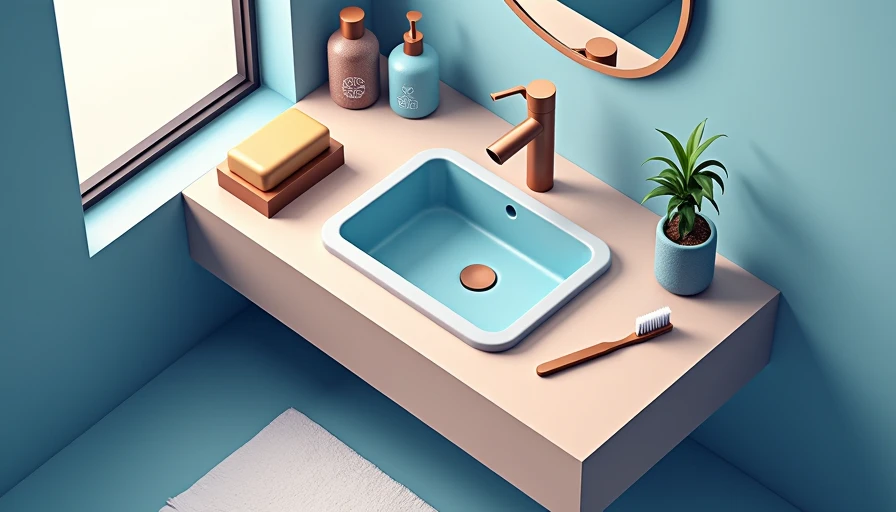
A Zero Waste Bathroom Routine That Leaves More Space
Zero waste bathroom routine ideas for a calmer, lower-clutter space. Learn which swaps last, what to skip, and how to build habits that reduce waste without...
A zero waste bathroom routine does not begin with an expensive bamboo toothbrush, a linen shower curtain, or a dramatic trip to a refill store. It begins with looking carefully at what you already use. The half-empty bottles under the sink, the products bought for an imagined version of yourself, and the disposable items replaced each month all tell the same story: waste often arrives disguised as convenience.
I like the bathroom as a place to practice less because its habits are so visible. You brush your teeth twice a day. You wash your face, shower, shave, and dry your hands. Small decisions repeated in the same room can gradually change what comes through your front door and what leaves it. The goal is not a perfect home. It is a quieter one.
Start with an honest bathroom inventory
Before buying a single replacement, remove everything from the vanity, shower, medicine cabinet, and linen closet. Put similar products together: hair care, dental care, skin care, cleaning supplies, and paper goods. Check expiration dates, smell products you have forgotten, and notice duplicates. You may discover three nearly full shampoos or a drawer of hotel-size lotion.
Use what is safe and useful before introducing a new alternative. A zero waste bathroom routine built on throwing away perfectly good products is not a thoughtful routine; it simply moves the waste to a different moment. If a cleanser irritates your skin, pass it to someone who can use it rather than forcing yourself to finish it. For expired medicine, follow local pharmacy or household disposal guidance instead of putting it down the drain.
This inventory also reveals your actual habits. If you wash your hair twice a week, a concentrated shampoo bar might be practical. If you use conditioner daily, a tiny sample-size bottle is unlikely to serve you well. Good design starts with observing real behavior, not purchasing an ideal.
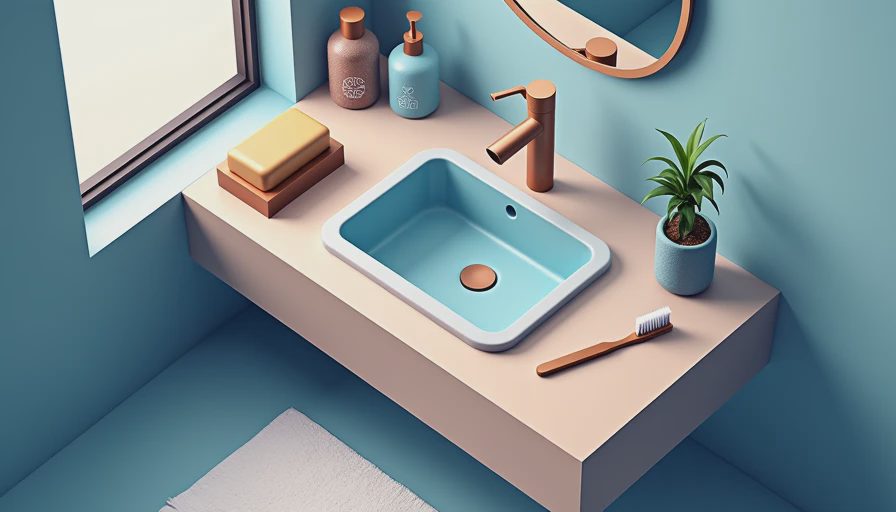
Replace the repeat offenders first
The most useful changes are usually the ones attached to a predictable rhythm. Swap disposable cotton rounds for a small stack of washable cotton cloths. Keep a mesh laundry bag nearby so they do not disappear into a hamper. Replace single-use plastic toothbrushes with a durable handle and recyclable or replaceable heads when that system works for you. A safety razor can reduce cartridge waste, but only if you feel comfortable learning the technique and will actually use it.
For hand washing, a refillable glass or metal pump can replace a procession of small plastic bottles. Buy soap in a larger container or choose a local refill option, then wash the pump between refills. A simple bar of soap on a draining dish is even more direct. The right choice is the one that stays pleasant after the novelty has gone.
A zero waste bathroom routine should make the lower-waste option easy to reach. Put cloths beside the sink, not in a closet across the hall. Store replacement toothbrush heads in one labeled drawer. The best system is often the least clever one.
Choose materials for their whole life
“Reusable” is not automatically a virtue. A bamboo item still required energy, labor, packaging, and transport to reach you. A stainless steel nail file that lasts ten years can be a better purchase than five attractive tools replaced every season. A cotton towel used for years usually makes more sense than a rotating collection of novelty hair wraps.
Look for products with a clear job, durable construction, and an end-of-life plan. Glass jars can be reused for bath salts or cleaning concentrates. Metal accessories are often recyclable through appropriate local programs, though mixed materials and coatings complicate that process. A bar product may use less packaging, but it needs a dry place between uses or it will dissolve before you receive its full value.
The most sustainable item in the bathroom is frequently the one already there. Keep a plain ceramic cup for toothbrushes rather than buying a matching set. Repair a loose towel hook. Cut a nearly empty tube open and use the last portion before replacing it. This is not deprivation. It is attention.
Simplify dental and personal care
Dental care deserves practicality over aesthetics. Choose fluoride toothpaste that meets your oral health needs, whether it comes in a conventional tube, tablet form, or another package. If you try toothpaste tablets, buy a small quantity first. A beautiful glass jar is not helpful if the product makes brushing unpleasant or does not suit your routine.
For period care, reusable menstrual cups or discs can reduce the number of disposable products used over time, while washable underwear offers another option. Fit, comfort, cleaning, and personal preference matter more than a product’s visual appeal. Store reusable items in a breathable washable bag and follow the manufacturer’s cleaning directions.
Shaving, skincare, and cosmetics deserve the same restraint. Finish one moisturizer before opening another. Use a washable cloth for removing makeup. Skip products that promise to solve problems you do not have. A zero waste bathroom routine becomes calmer when every object earns its space through frequent use.

Build a cleaning system that stays small
Bathroom cleaning does not require a shelf of specialized sprays. A reusable spray bottle, one suitable cleaner, a toilet brush, a small scrub brush, and washable cloths can cover most routine jobs. Follow product labels carefully, especially when using disinfectants, and never mix bleach with ammonia or acidic cleaners. “Natural” is not a substitute for safe handling.
Keep cleaning tools close to where the mess occurs. A small squeegee in the shower can reduce mineral buildup and drying time. Hang cloths fully open so they dry between uses, and wash them regularly with the rest of your household laundry. If you use concentrated cleaner, dilute it exactly as directed; more product does not necessarily mean a cleaner surface.
Paper towels can have a place for unpleasant spills or illness, but they do not need to be the default for wiping a mirror or sink. A few durable cloths, washed until they are genuinely worn out, create less purchasing and less visual noise.
Make the routine survive a busy week
The measure of a zero waste bathroom routine is not how beautiful it looks on a Sunday morning. It is whether it still works when you are late for work. Keep only current products in the shower. Place backups in a single cabinet, and set a simple rule: finish what is open before buying a replacement unless it is a health or safety issue.
Try one change at a time for a month. Start with washable cloths, then reconsider soap packaging, then examine dental care. Notice what becomes easier and what creates friction. If a refill requires a forty-minute drive, buying a larger container less often may be the more realistic choice. Lower waste should fit your life closely enough to last.
Give yourself permission to keep a conventional product that works. The point is not to perform purity in a bathroom full of carefully photographed objects. It is to buy fewer replacements, use what you own, and make daily care feel less like consumption. Give less. Mean more.
Comments
No comments yet — be the first to share a thought.