
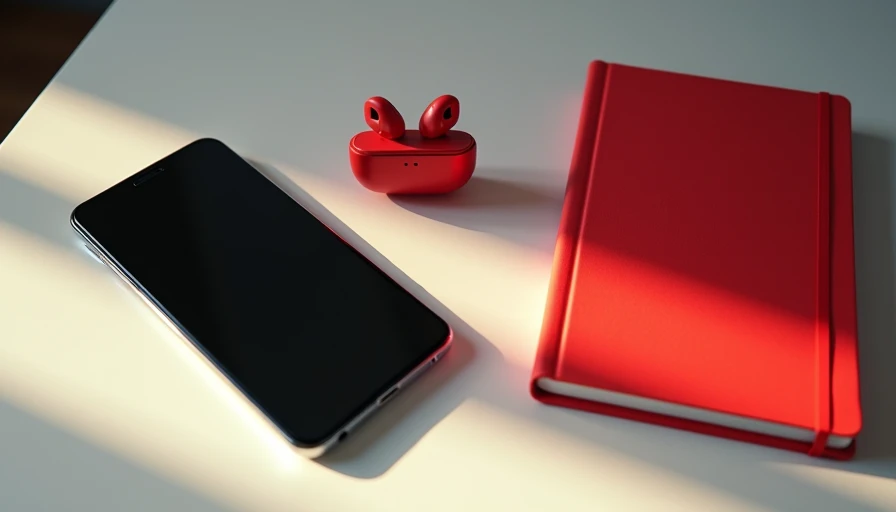
Minimalist Phone for Drivers: A Cleaner Way to Stay Reachable
minimalist phone tips for drivers who want fewer distractions, faster emergency access, and a cleaner setup that still feels ready for real life on the road.
A minimalist phone is not about refusing convenience. It is about keeping only the parts that earn their place: calls, texts, maps, emergency access, and enough battery to get you home without drama. For drivers, that matters more than it first sounds. The road already asks for attention, and the less your pocket demands from you, the easier it is to stay calm, keep your hands where they belong, and deal with auto insurance tasks without a dozen pop-ups pulling you off course.
Why less screen time matters behind the wheel
The appeal of a minimalist phone starts with the moments that usually get messy. You are looking for a policy number after a fender bender. You need roadside assistance when the battery dies in a grocery-store lot. You want to text a family member that you are running late, but you do not want to open three other apps first. A pared-down device makes those moments feel smaller. That is useful before a claim, during a claim, and on the ordinary days when nothing happens at all.
For me, the real charm is not aesthetic. It is behavioral. A phone that does fewer things gives you fewer little decisions to make, and decisions are what wear people down. I have seen the same logic in good product design for years: when an object is easy to understand, people use it the way they meant to use it. On the road, that means a calmer start, a cleaner glove box, and less temptation to scroll at a red light.
A good setup can be surprisingly simple. Keep your insurance card, roadside assistance number, and emergency contacts saved in one place. If you use an insurance app, put it on the home screen and leave it there. If you do not need 40 notifications, do not invite them in. The point is not to become unreachable. The point is to be reachable on purpose.
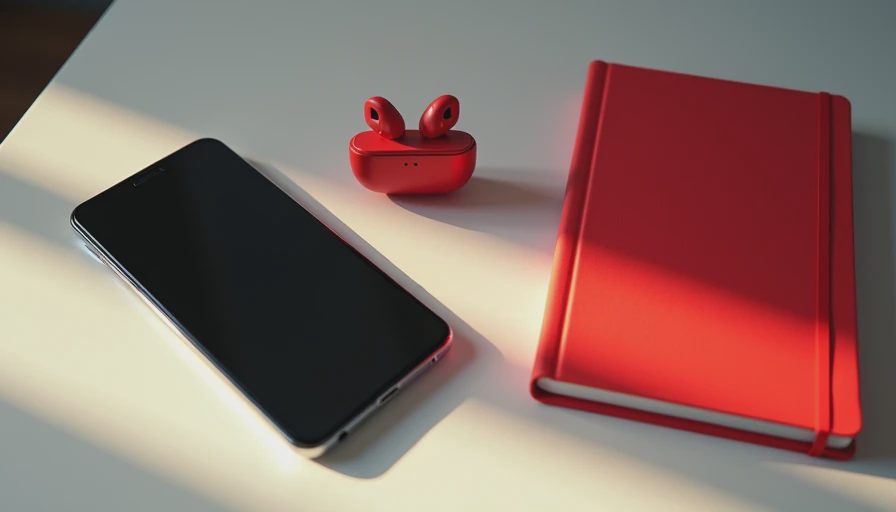
What to keep, and what to leave out
When people talk about a minimalist phone, they often imagine going without. That is not really the story. It is more about choosing the small set of functions that help you live normally. Calls, texts, a map app, a camera for damage photos, and access to your carrier or insurer are usually enough for most drivers. Everything else is negotiable.
I like to think in terms of friction. If an app creates friction at the exact moment you need clarity, it should not live on your device. A complicated social feed does not help you exchange license plates. A cluttered email inbox does not help you show proof of coverage to a tow truck driver. A minimalist phone does one very practical thing well: it keeps your line of sight clear when you need information fast.
This is also where auto insurance gets easier to manage. If you are shopping for a new policy, you can still compare quotes, store digital ID cards, and save the claims number for later. If your carrier offers roadside help, that number belongs in favorites. If you prefer paper, keep a printed card in the car and let the phone do less. The best system is the one you will actually use at 6:10 a.m. in the rain.
Good options for a low-clutter setup
A minimalist phone can mean different things depending on how much simplicity you want. Some people choose a Light Phone or a Punkt handset because the hardware itself keeps the experience pared back. Others use a basic flip phone from brands like Nokia or TCL. A few drivers keep an older smartphone and strip it down until it behaves almost the same way. The right choice depends on whether you want complete restraint or just fewer excuses to check the screen.
The price range is part of the decision too. Simple flip phones are often inexpensive, while purpose-built minimal devices can cost a few hundred dollars. That is not nothing, but neither is the cost of one bad habit. If a cleaner phone helps you avoid distractions and keeps your driving routine calmer, it can earn its keep quickly. I would rather pay for a tool that does one job well than for a gadget that quietly steals attention all week.
What matters most is whether the device supports your real life. Can you call for help after a flat tire? Can you pull up a map without getting lost in menus? Can you keep the essentials available when your main phone is dead, cracked, or buried under work messages? If the answer is yes, you are probably close to the right setup.
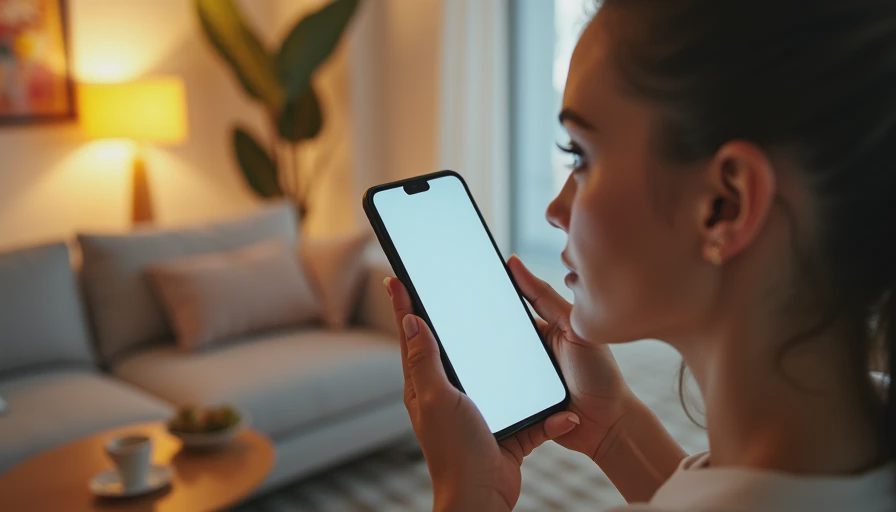
Where simplicity helps most in an insurance moment
A minimalist phone is most useful when something goes wrong and your brain is already full. After a collision, people usually need the same few things: safety, contact information, photos, and policy details. A stripped-down device can make that sequence feel almost automatic. Open the camera. Photograph the vehicles. Save the other driver’s information. Call for help if needed. Move on to the claim with less noise in the way.
That is why I like the pairing of simple hardware and straightforward coverage. Liability coverage handles the damage or injury you cause to others, while collision and comprehensive coverage protect your own vehicle in different situations. Roadside assistance can be worth adding if you drive older cars, commute often, or simply do not want to solve a dead battery alone. When your phone is uncomplicated, the support around it should be uncomplicated too.
I have also found that fewer apps makes policy management less irritating. If you need to update a payment method, download an ID card, or check a deductible, a lean device can get you there without derailing your attention. It sounds small until you are standing in a parking lot trying to prove you are covered and every extra swipe feels like a bad joke.
A quiet buying checklist that still feels practical
When I recommend a minimalist phone, I look for three things: dependable battery life, clear calling and texting, and enough flexibility to handle the occasional real-world problem. If the device cannot do those basics, the design is all restraint and no usefulness. If it does them well, the rest becomes optional. That is the sweet spot.
I would also think about the way you drive. A commuter who spends an hour on the interstate needs different tools than a person who mostly runs errands in town. If you depend on navigation daily, you may want a device that handles maps without fuss. If you only need emergency access and a few calls, an even simpler setup may be enough. Either way, the goal is the same: fewer distractions, faster decisions, and a setup that respects your time.
If you are curious about trying a minimalist phone, start by asking what you actually need when you are away from home. Most people need far less than they think. Keep the essentials. Leave the rest. And if your auto insurance feels just as cluttered as your old screen did, that may be the real thing to simplify next. Give less. Mean more.
Comments
No comments yet — be the first to share a thought.