Minimalist Makeup: How to Build a Small Routine That Still Looks Finished
Minimalist makeup keeps your routine lean, polished, and affordable. Learn how to build a small kit, choose textures, and skip drawer clutter without waste...
Minimalist makeup is the rare beauty routine that saves time, money, and drawer space at the same time. The point is not to look bare. The point is to choose a few formulas that do the work of ten. I learned that lesson years ago in product design, where every extra feature had to justify its place. Makeup is no different. If you want a face that looks rested at 8 a.m., still believable at 2 p.m., and easy to repeat on a rushed weekday, you do not need a crowded bag. You need the right textures, the right shade range, and a routine you can do without thinking.
What minimalist makeup really means
Minimalist makeup is not a refusal of color or coverage. It is a decision to stop buying the version of yourself you only wear twice a year. The most useful routine usually has three jobs: even the skin, soften the features, and add a little life. On most people, that means a tint or lightweight foundation, a concealer, and one cream color for cheeks and lips. If you prefer a little more structure, add brow gel or mascara and stop there. A tube that can be tapped on with fingers will get used more often than a product that needs six tools, a brush washer, and a tutorial. The real test is simple: does it make you look more awake in daylight, or just more complicated?
Start with texture, not trends
A good routine starts with texture because texture does more than shade. A sheer skin tint can erase the look of heaviness. A cream blush makes skin look alive in a way powder often does not. A satin concealer can brighten without settling into lines as quickly as a thick matte formula. If your skin is dry, look for words like hydrating, radiant, or luminous. If your skin is oily, ask for soft-matte or natural finish. The finish matters more than the marketing copy. A $12 base that disappears on your skin will beat a $48 bottle that sits on top of it all day.
Color matters, too, but not in the way beauty ads suggest. A slightly warm blush often looks more natural than a bright pink one. A concealer that matches your skin tone one half-step lighter can do more than a full shade jump. The quiet logic behind minimalist makeup is that fewer products can still create more dimensions, as long as each one behaves well in daylight and under office fluorescents.
The three products that make minimalist makeup work
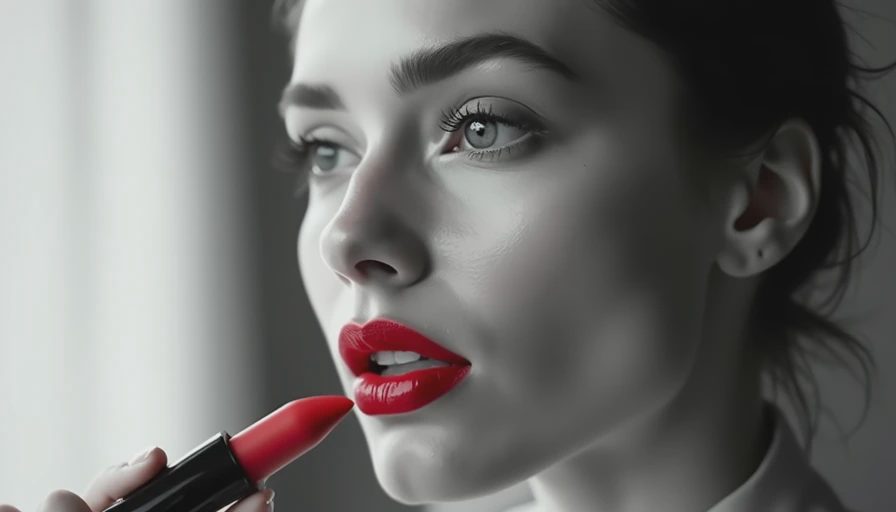
Start with one base product, one correction product, and one color product. A skin tint like Saie Slip Tint or Tower 28 SunnyDays gives quick coverage without the feel of a full foundation. A concealer such as Maybelline Fit Me or NARS Radiant Creamy can handle the under-eye area, around the nose, and any spot that needs a little extra help. For color, a cream blush like Glossier Cloud Paint or Merit Flush Balm can move from cheeks to lips and keep the kit small. Those three categories cover most of what people actually want from daily makeup: less redness, less darkness, more life.
If you spend around $30 to $40 on the base, $10 to $35 on concealer, and $20 to $30 on blush, you can build a strong starter set without drifting into luxury prices. If you want to keep the whole routine under $60, buy the base and concealer at Target, Ulta, or Sephora’s lower-price shelf, then upgrade only the one product you finish the fastest. That is usually the smartest way to shop. A product that gets used every day is worth more than one that sits in a pretty pouch. This is where minimalist makeup starts to feel less like a style choice and more like a habit that pays for itself.
Make it last from coffee to dinner
For minimalist makeup that has to survive a commute, a workday, and a dinner reservation, layers matter more than quantity. Apply thinly, then stop. A little cream blush under a sheer powder blush can last longer than a heavy swipe of either one. If you use mascara, choose a formula that stays flexible, not crunchy. If you use brow gel, brush the hairs up and let them set before touching the rest of your face. The trick is to build in small pauses. Press the concealer in. Wait thirty seconds. Add another dot only where you need it. That one habit keeps the face from turning cakey by noon and makes touch-ups almost invisible.
This is also where a tiny travel kit earns its keep. One compact, one concealer, one lip-and-cheek color, and a small brush can cover nearly any midday fix. You do not need to carry half your vanity in a tote bag. You need the one or two things that restore the look you already created.
When a little more structure makes sense
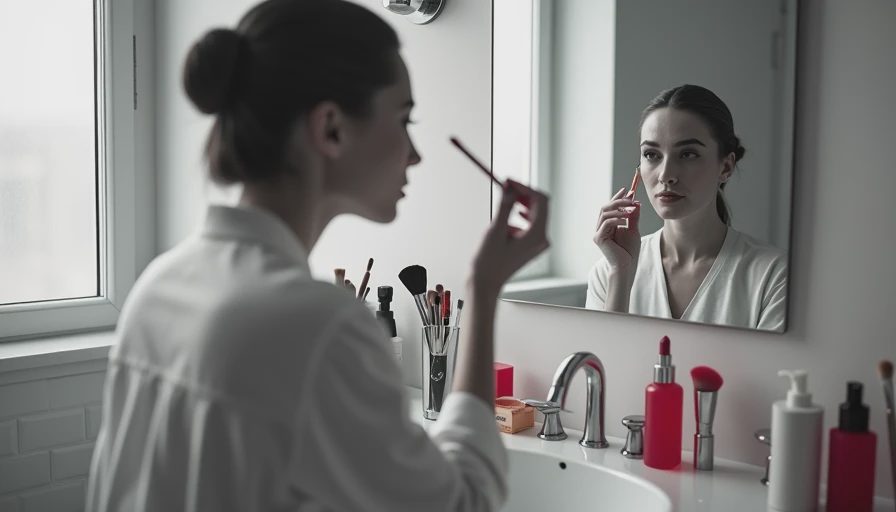
There are days when the cleanest face still needs more definition. Maybe the camera is unforgiving, the lighting is flat, or you simply want to look a little more finished. That is when one extra step earns its place. A soft brown liner can quietly define the eye. A sheer lip stain can survive lunch better than balm alone. A setting powder, used only on the T-zone, can help if your skin gets shiny by 2 p.m. The key is to add one support act, not a second routine. If a product does not change how the whole face reads, it probably belongs back on the shelf.
Minimalist makeup works because every piece has a job. When something starts doubling up, you notice it immediately. The mascara that flakes onto your cheeks does not belong. The foundation that looks great in the bathroom and obvious in sunlight does not belong. The blush that also looks good on lips and does not require a mirror does belong. That is the edit. It is small, but it is not random.
A small shopping rule that saves money
When you shop, buy the category that bothers you most first. If your base breaks apart, fix that before you think about lip color. If your under-eyes look tired, choose a concealer with the texture you actually like. If your face feels flat, buy the blush. This keeps you from collecting duplicates that solve the same problem in slightly different packaging. It also makes returns easier, because you know exactly what failed. Was it the finish, the shade, or the way it wore after lunch? That answer is worth more than another impulse purchase.
Most people can build a useful kit for $50 to $90 if they mix one midrange product with drugstore support. That is enough to create a face that feels like you, only a little more rested. If you already own a pile of half-used products, clear one drawer first and keep only the formulas you would repurchase. The rest can go to the back of the cabinet, to a friend, or out of the rotation entirely. That is the promise of minimalist makeup: give less. Mean more.
Comments
No comments yet — be the first to share a thought.