Minimalist Fashion: A Practical Way to Build a Smaller, Better Wardrobe
Minimalist fashion gets easier when every piece earns its place. Learn how to edit your closet, shop with intention, and dress with calm confidence.
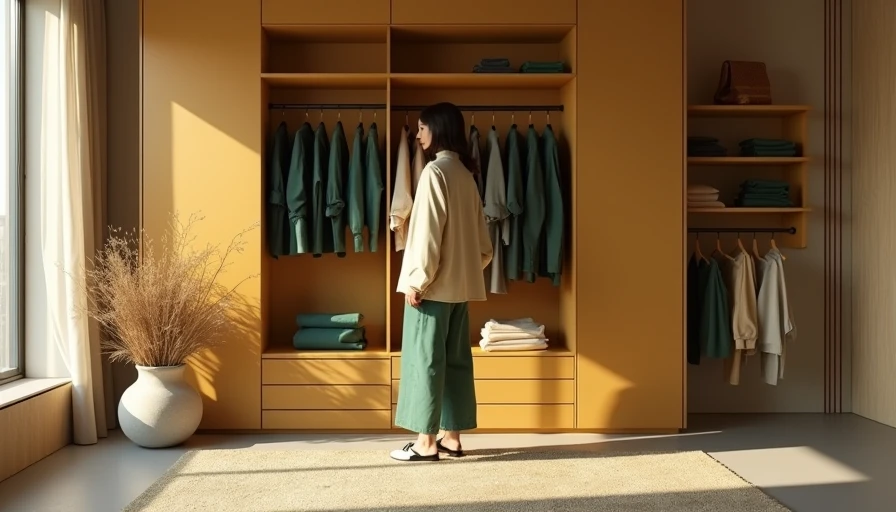
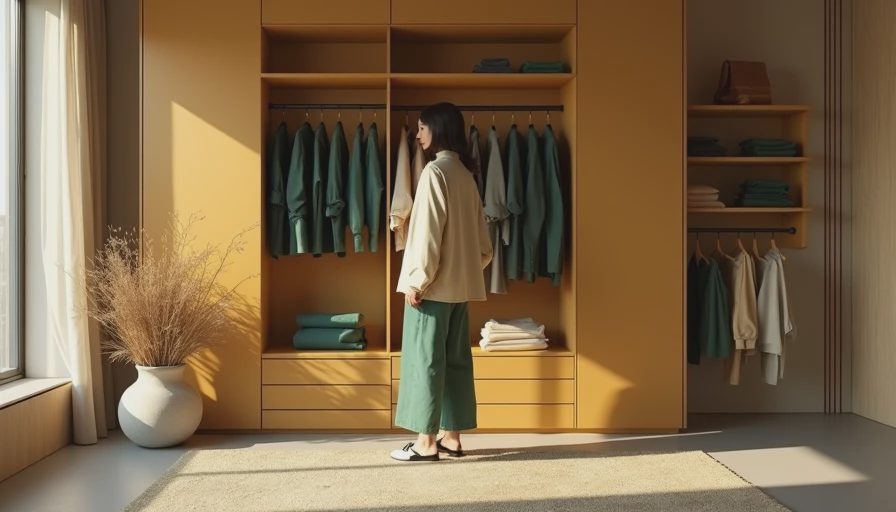
Minimalist fashion is not about dressing like a monk or pretending you do not care what you wear. It is about removing the noise so the good pieces can do their job. When I worked in product design, we used to ask whether an object deserved to exist. Clothes deserve the same question. If a sweater is itchy, a hem is awkward, or a color only works under perfect lighting, it is taking up space without returning much. The goal is not less for the sake of less. The goal is a wardrobe that feels calm when you open the door in the morning and still looks considered at dinner.
Start with a silhouette you can repeat
The easiest way to make a small wardrobe feel intentional is to choose a silhouette that already suits your life. For one person, that might be straight-leg denim, a soft tee, and a boxy jacket. For another, it might be wide trousers, a fitted knit, and clean sneakers. This is where minimalist fashion becomes practical instead of abstract. You are not building a costume. You are identifying the shapes you actually reach for on a Tuesday, then giving them better materials and cleaner lines.
A narrow color story helps, too. Navy, black, ivory, camel, and denim will do more work than a closet full of almost-right colors. I like seeing one strong neutral anchor and one softer accent, such as ecru with navy or charcoal with white. That gives you room to repeat pieces without feeling repetitive. If you have ever admired someone who always looks put together without seeming overdone, chances are they have a simple silhouette and a limited palette doing the heavy lifting.
Edit the closet before buying anything
The easiest way to make minimalist fashion feel real is to start with what already hangs in your closet. Pull everything out for one category at a time: tops, pants, layers, shoes. Keep only what fits now, feels good after a full day, and can be worn at least three different ways. Anything that needs a fantasy body, a fantasy season, or a fantasy event is just clutter with a hanger.
I recommend a simple sorting pass. Put true favorites back first. Put pieces that need tailoring in one small pile. Put the rest in a box and date it. If you do not miss something after thirty days, you probably do not need it. That one habit saves money fast. A basic tailor can shorten hems, taper sleeves, and fix a too-long blazer for far less than the cost of replacing the item. A pair of $25 pants can become your favorite pair if the rise, hem, and drape are corrected.
What you are looking for is not perfection. You are looking for clear evidence. If a shirt puckers at the buttons, if the shoulder seam sits off your frame, or if a dress only feels right with shapewear and a prayer, it does not belong in the core of the closet. Minimalist fashion works when the foundation is honest.
Choose fabrics that do the work for you
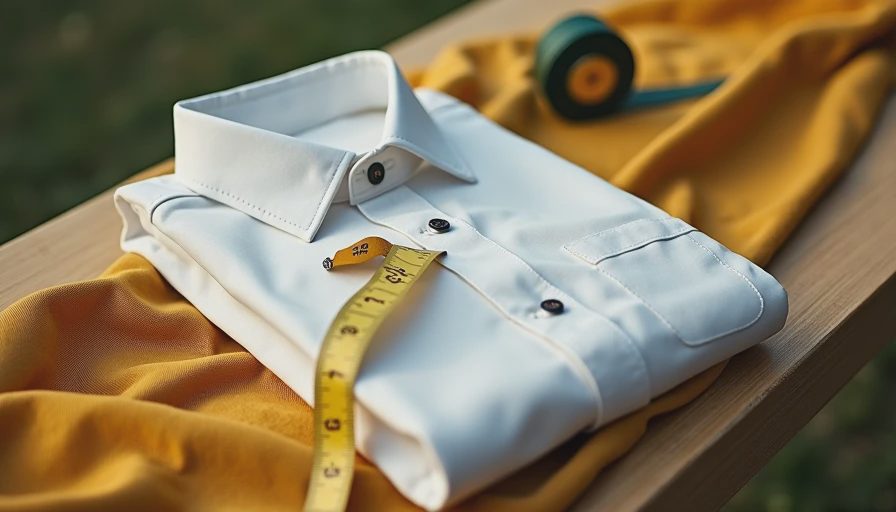
In minimalist fashion, fabric matters more than novelty. A simple cut in a good cloth will always beat a clever cut in a cheap one. Cotton jersey should feel substantial, not flimsy. Wool should hold shape without itching. Denim should soften over time instead of collapsing after three washes. Linen is beautiful when it is cut with enough ease. Even a plain white button-down looks expensive when the fabric has body and the collar sits properly.
This is where price often makes sense, at least within reason. A $20 tee from Uniqlo can be excellent if the neckline holds and the fabric does not twist. A $120 shirt from Everlane or COS can earn its keep if you wear it twice a week for years. The same logic applies to a J.Crew sweater, Levi's jeans, or a pair of trousers from Banana Republic. I am not loyal to one brand. I am loyal to repeat wear. If a piece does not improve with time, it is probably not worth the rack space.
When you shop, touch the seam allowance, check the lining, and notice whether the garment moves with you. Sit down in it. Reach overhead. Walk to the mirror and back. Minimalist fashion is not supposed to feel fragile. It should feel easy enough that you stop thinking about it after five minutes.
Build outfit formulas, not piles
Minimalist fashion works best when your outfits are built from repeatable formulas instead of random combinations. Think in pairs and trios: jeans plus knit plus blazer, trousers plus tee plus trench, slip dress plus cardigan plus boots. The point is not variety for its own sake. The point is to reduce decision fatigue while still looking like yourself. Once you know your formulas, getting dressed becomes a small set of reliable moves rather than a daily search.
I like to test a formula for a full week before adding anything new. If the pieces swap easily and you still feel like yourself, the formula is worth keeping. If you need a different belt, a different bag, and a different shoe every time, it is not really a formula. It is a demand. This is one reason minimalist fashion can save money: you stop buying isolated items and start buying relationships between items.
There is also a quiet confidence that comes from repetition. People notice when someone wears a navy sweater often, but they notice the person more than the sweater. That is the part many people miss. A well-edited wardrobe does not erase personality. It makes room for it.
Pack a small seasonal rotation
A smaller closet still needs seasonality, but it does not need excess. In winter, I keep one heavy coat, one lighter layer, one warm boot, and a few knits that actually work under outerwear. In summer, I want breathable fabrics, one good sandal, and enough tops to survive a week without laundry panic. The trick is to rotate, not hoard. Store off-season pieces in one labeled bin or on a separate rack so you can see what is active and what is waiting.
This is another place where minimalist fashion earns its keep. When the weather changes, you do not need a full new wardrobe. You need a small shift in fabric weight, sleeve length, and shoe coverage. A linen shirt, a cotton tank, and a structured overshirt can carry warm months. A merino sweater, dark denim, and a wool coat can carry cold ones. Buy for the season you live in, not the fantasy climate you imagine once a year.
If your life includes office days, travel, or school drop-offs, build around those realities. A polished sneaker, a washable trouser, and a jacket that can handle drizzle will do more than a closet full of delicate pieces that only work under perfect conditions.
When less becomes your signature
The strongest version of minimalist fashion is not sparse. It is clear. You can see the person first, then the clothes. That usually happens when every piece has a job: warmth, fit, ease, or structure. Once you stop buying around impulses and start buying around use, the wardrobe gets smaller in the right places and stronger everywhere else.
If you want to start this week, choose one category and narrow it. Keep the three tops you reach for most. Replace one item that never quite works. Spend the money you save on tailoring or on a better fabric next time. That is how a closet changes shape without becoming a project. Give less. Mean more. Minimalist fashion is simply the clothing version of that idea.
Comments
No comments yet — be the first to share a thought.