How to Choose High Quality Minimalist Clothing That Gets Worn
High quality minimalist clothing makes a thoughtful, lasting gift. Learn how to choose useful fabrics, quiet colors, and pieces worth keeping without clutter.
A good piece of clothing should earn its place quietly. High quality minimalist clothing does that through useful shape, dependable fabric, and the kind of comfort that makes someone reach for it before the laundry is completely folded. If you are buying a gift for a person who dislikes clutter, the goal is not to surprise them with something dramatic. It is to notice what they already wear, then offer a calmer, better version of it.
I spent six years designing daily goods at Muji USA, where the work often came down to removing one more unnecessary detail. Clothing benefits from the same discipline. A simple shirt with a generous cut and strong seams can be more meaningful than a novelty sweater that gets one photograph and then lives in a drawer. Give less. Mean more.
Start with the person, not the aesthetic
“Minimalist” does not mean everyone should wear black, white, and gray. One person’s uniform may be a navy overshirt and straight-leg denim; another’s may be soft cotton dresses in muted green. Before shopping, observe the recipient’s actual wardrobe. Look at the colors hanging near the front, the shoes by the door, and the pieces that appear repeatedly in photographs.
High quality minimalist clothing works best when it supports an existing routine. A gift recipient who bikes to work may appreciate a washable merino layer, while someone working from home could use a substantial cardigan that feels comfortable on video calls. A frequent traveler might value a wrinkle-resistant button-up more than a delicate statement piece. The most thoughtful choice is usually adjacent to what they already love, not a complete change of identity.
Ask yourself three practical questions: What does this person wear every week? What fabric do they avoid? What small frustration does their current clothing create? The answers will narrow the field faster than scrolling through a hundred carefully styled outfits.
Judge quality by construction
Price alone cannot tell you whether a garment deserves to stay. Turn it inside out, even if you are shopping online through detailed product photographs. Check whether seams lie flat, hems look even, and buttons are securely attached. On a shirt, a clean collar and consistent topstitching suggest attention to the parts that receive daily stress. On knitwear, look for an even surface without loose loops or obvious thin patches.
High quality minimalist clothing should also have a sensible relationship between fabric weight and use. A lightweight linen shirt can be excellent for summer, but it should not pretend to be a year-round layer. A dense cotton sweatshirt may cost more to ship and store, yet it can replace several thinner hoodies. Look for garments that become more useful as the seasons change: an overshirt over a T-shirt, a merino sweater beneath a coat, or relaxed trousers that work with sneakers and boots.
Natural fibers are not automatically superior, and synthetic fibers are not automatically poor. Cotton, linen, wool, hemp, recycled nylon, and carefully chosen blends all have legitimate uses. What matters is whether the fiber suits the garment’s job, care instructions, and expected lifespan.
Choose a quiet color with room to live
Color is where many well-intentioned gifts go wrong. The buyer chooses a shade that looks beautiful in a product photograph, while the recipient owns nothing that works with it. A restrained palette is not limited to neutrals, but it should create combinations rather than demand a new wardrobe.
For high quality minimalist clothing, useful colors often include navy, charcoal, cream, olive, washed blue, camel, and deep brown. These shades pair easily with denim, black, white, and existing outerwear. If the person already wears color, choose a softened version of a familiar hue rather than a bright novelty. A rust overshirt may be more wearable than a saturated orange one; dusty blue may integrate more naturally than electric blue.
Consider the recipient’s laundry habits, too. Cream can be beautiful but less forgiving around young children, gardening, or frequent travel. Charcoal hides ordinary wear better than pale gray. A color that looks good after twenty washes is a better gift than one that needs constant protection.
Fit matters more than a label
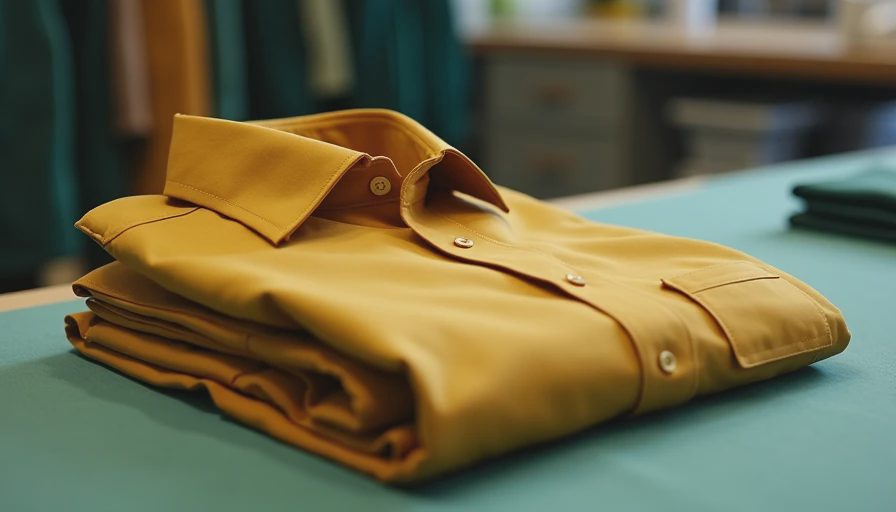
Sizing is personal, and minimalist clothes make fit especially visible because there are fewer details to distract the eye. Do not rely only on small, medium, or large. Compare measurements with a garment the recipient already wears. Shoulder width, chest measurement, sleeve length, rise, and inseam tell you much more than a brand’s size chart alone.
When in doubt, choose a shape with forgiveness. A straight-cut overshirt, elastic-waist trouser, or relaxed knit can accommodate small measurement differences without looking careless. Avoid highly tailored pieces unless you know the person’s exact measurements and alteration preferences. A gift card can be kinder than a beautifully made jacket that cannot close comfortably.
A useful gift also accounts for movement. Sit, reach, bend, and raise the arms when assessing a garment for yourself; those actions reveal tight armholes, short hems, and restrictive fabric. Clothing should support a real day, not merely stand still beneath flattering store lighting.
Care is part of the design
The best garment is not the one with the most impressive fiber story. It is the one the owner will realistically wash and repair. Read the care label before buying. If the item requires hand washing, flat drying, and a special detergent, make sure that level of care matches the recipient’s habits. Otherwise, even high quality minimalist clothing can become a burden.
A thoughtful gift can include one useful care detail: a small mesh laundry bag for delicate knits, cedar blocks for wool, or a simple note explaining why the fabric should air dry. Do not turn the note into a lecture. “This wool can refresh overnight instead of being washed after every wear” is enough. Fewer washes generally mean less wear, less energy use, and more time before replacement.
Repairability matters as well. A missing button or loose hem should be fixable by a local tailor, a cobbler who handles alterations, or the recipient at home. Avoid decorative construction that makes ordinary repairs difficult. A garment designed to be maintained has a longer emotional life because its story does not end at the first small flaw.
Three gifts worth considering
If you know the person’s size, a heavyweight cotton overshirt is one of my safest clothing gifts. It can replace a light jacket in spring, add structure to a T-shirt, and layer beneath a coat in fall. Choose patch pockets only if they suit the recipient’s style; otherwise, clean welt pockets keep the silhouette calmer.
A fine-gauge merino sweater is another strong option for someone who travels or works in changing temperatures. Look for a simple crewneck or cardigan in navy, charcoal, or muted brown. The value is not in a complicated design. It is in warmth without bulk, a soft hand, and enough versatility to work with jeans, chinos, or a skirt.
For someone who already owns plenty of tops, consider relaxed trousers with a well-finished waistband. A cotton twill, linen blend, or wool trouser in a familiar neutral can quietly improve an entire wardrobe. Confirm the rise and inseam first, and favor a return policy that does not make exchanging sizes difficult.
A final test before you buy
Hold the garment in your hands and ask whether you can name at least three occasions when the recipient would wear it. If the answer is only “when they want to look stylish,” keep looking. Better answers sound ordinary: Monday meetings, Saturday errands, a cool evening walk, a long flight, or dinner after work. Ordinary usefulness is not a low ambition. It is where most beloved clothing begins.
High quality minimalist clothing is ultimately less about a particular brand than a particular standard. The piece should feel good, perform its job, fit the owner’s life, and remain welcome after the excitement of unwrapping has passed. Buy one well-considered garment instead of three guesses. Leave enough empty space for the person to choose it freely. That is how a gift becomes part of a life rather than another thing to manage.
Comments
No comments yet — be the first to share a thought.