Clothing Brands for Minimalists: A Quietly Curated Guide
Clothing brands for minimalists, chosen for durable fabrics, calm design, and repeat wear. Discover three thoughtful labels worth making room for.
A good minimalist wardrobe is not a uniform, and it is not a punishment. It is simply a smaller collection of clothes that earn their place through comfort, usefulness, and the pleasure of wearing them again. When I look for clothing brands for minimalists, I ask the same question I once asked as a product designer: does this deserve to exist in someone's daily life?
That question quickly removes the noise. A logo is not a reason. A seasonal color is not a reason. Even a low price is not a reason if the shirt twists after two washes or the sweater spends its life in a drawer. The right piece should feel quietly obvious: well made, easy to combine, and pleasant enough that you reach for it without negotiating with yourself.
What makes a minimalist clothing brand worth considering
The first quality is restraint. A thoughtful label does not need ten versions of one white T-shirt, each with a slightly different marketing story. It pays attention to proportion, fabric weight, seams, fastenings, and the way a garment ages. These details are modest, but they determine whether clothing becomes part of your life or part of your donation pile.
I also look for a stable point of view. Minimalism is not limited to beige, black, and navy. A muted rust overshirt, a washed blue work jacket, or an olive cotton trouser can be just as versatile as gray. The test is whether the item works with what you already own. If one new shirt requires three more purchases to make sense, it has not simplified anything.
Price matters, but cost per wear tells a more useful story. A $35 shirt worn twice costs more in practical terms than a $120 shirt worn every week for three years. That does not make expensive clothing automatically better. It means construction, fabric, and repairability deserve attention before the tag becomes the entire decision.
Three clothing brands for minimalists I would actually browse
For accessible everyday basics, I return to Uniqlo. Its best pieces are not the loudest ones: lightweight down layers, simple knitwear, cotton shirts, and practical trousers often provide a clean foundation. The brand is useful when you need a specific function at a reasonable price, especially for travel or building a first capsule wardrobe. I would still inspect fabric composition and fit in person when possible, because quality varies across collections.
For elevated basics, Everlane remains a useful place to compare simple silhouettes. Its cashmere, denim, tees, and trousers tend toward familiar shapes rather than dramatic seasonal statements. That makes them easy to assess against the clothes already hanging in your closet. Look for dense cotton, strong recovery in stretch fabrics, and hems that can be altered. A minimalist wardrobe benefits more from a good tailor than from a clever trend.
For natural fibers and a quieter, more tactile approach, Muji is the label closest to my own design instincts. Linen shirts, cotton jersey, socks, and relaxed layers are often made to feel ordinary in the best sense. The clothing does not ask to be admired across a room. It asks to be lived in, washed, folded, and worn on an unremarkable Tuesday. That is a meaningful standard.
These three clothing brands for minimalists are not a complete answer, and no brand can design your wardrobe for you. They are starting points with different strengths: function, polished basics, and everyday ease. Choose one direction instead of opening twelve browser tabs.
Build a small wardrobe without making it bland
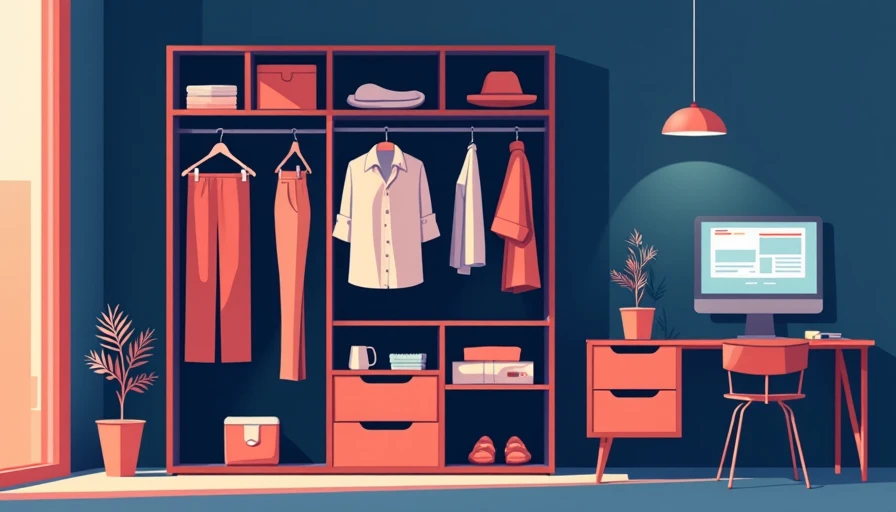
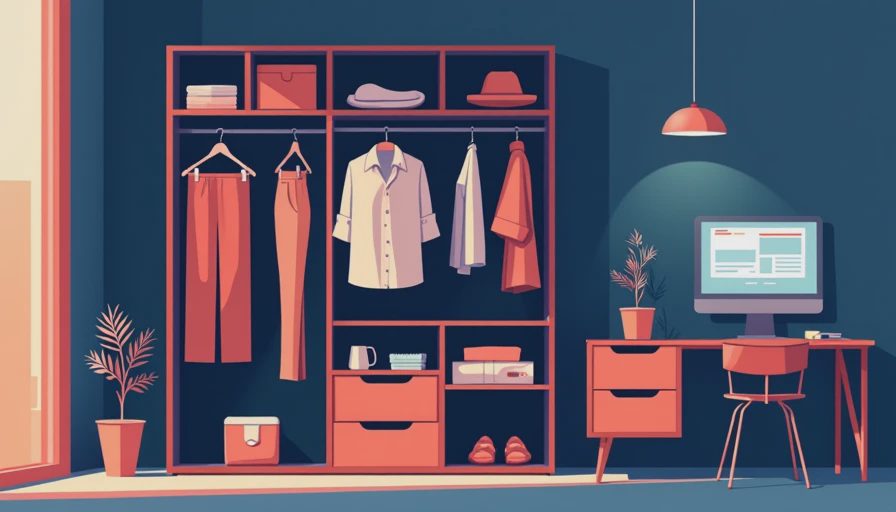
Begin with an inventory, not a shopping list. Put every garment on the bed and sort it into three groups: worn often, worn occasionally, and avoided. The last group is information, not a moral failure. Perhaps the neckline feels wrong, the fabric is scratchy, or the item only works with one pair of shoes. Write down the pattern before buying anything else.
Next, identify your real week. Someone working from home needs different clothes from someone commuting, lifting, teaching, or attending frequent formal events. A useful starting wardrobe might include two pairs of trousers, one pair of jeans, four everyday tops, two warmer layers, one weatherproof jacket, and shoes suited to the miles you actually walk. Those numbers are not rules. They are a pause before accumulation.
Color can remain simple without becoming colorless. I like a base of two neutrals, one soft color, and one darker accent. For example, charcoal and cream can hold olive and deep blue comfortably. This gives you combinations without requiring every item to match perfectly. Texture does some of the visual work: linen, brushed cotton, wool, and denim keep a restrained palette from feeling flat.
How to judge a garment before buying it
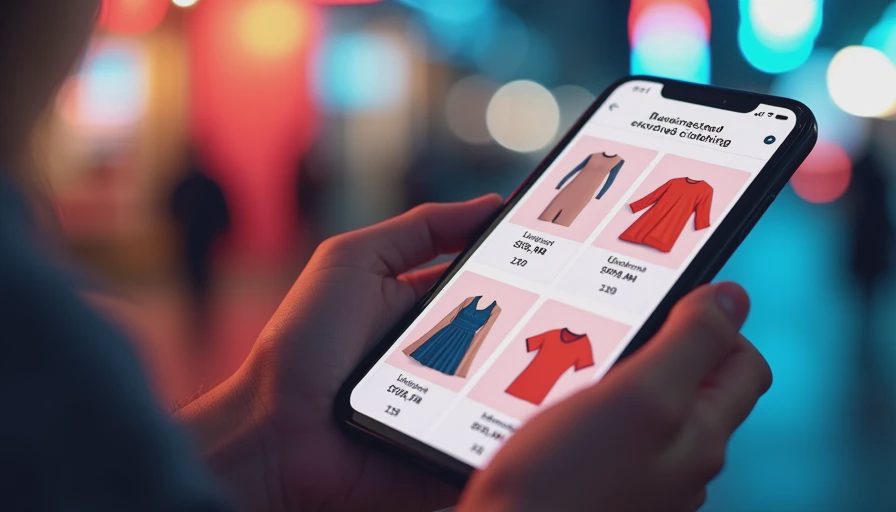
Touch the fabric, then look at the inside. Are seams finished cleanly? Do buttons feel securely attached? Does the waistband lie flat? Hold the garment toward light to see whether the weave looks even. None of these checks guarantees perfection, but they reveal more than a product photograph can.
Try sitting, reaching, and walking. A shirt that looks excellent while standing still may pull across the back when you move. Trousers should not need constant adjustment. A jacket should allow the layer you expect to wear beneath it. Comfort is not a bonus feature; it is what makes repeat wear possible.
Read the care label honestly. If a sweater requires dry cleaning every time, include that cost and effort in the purchase. If you will never hand-wash a delicate blouse, do not buy it because you admire the idea of owning it. The best clothing brands for minimalists make care understandable, but the final fit between garment and life is still yours to judge.
Buying fewer pieces as gifts
Clothing can be a thoughtful gift, but it is rarely a safe surprise unless you know the recipient's size, proportions, fabric preferences, and daily routine. A gift card to a carefully chosen label can feel impersonal when handed over casually. Pair it with a note that names the intention: a contribution toward the wool overshirt they keep mentioning, or a chance to replace a worn favorite with something that will last.
For someone who already owns enough, consider a repair service, tailoring credit, or quality garment brush instead. These gifts take almost no storage space and extend the life of what is already loved. A $40 alteration can make a $90 pair of trousers feel newly made. That is a better exchange than adding another uncertain shirt to the closet.
When you do choose clothing brands for minimalists, give one excellent piece rather than a bundle of small compromises. Wrap it simply, include the receipt, and leave room for the recipient to decide. Thoughtfulness is not measured by volume.
A calmer way to shop
Before checkout, wait one day. During that pause, ask whether the garment fills a real gap, works with at least three things you own, and feels good enough for an ordinary morning. If the answer is yes, buy it with attention. If the answer is no, close the tab without treating restraint as deprivation.
The most useful clothing brands for minimalists are not necessarily the most fashionable or the most expensive. They are the ones that help you notice what you already have, make dressing easier, and stay in rotation long after the novelty fades. A smaller wardrobe is not about looking like someone else. It is about removing the pieces that interrupt your own life.
Give less. Mean more.
Comments
No comments yet — be the first to share a thought.