
Non Materialistic Gifts That Give Time, Meaning, and Room to Breathe
Non materialistic gifts for people who have enough: thoughtful experiences, time, and useful gestures that create memories without adding clutter at home.
The best non materialistic gifts do not ask for a place on a shelf. They offer an afternoon, a new memory, a feeling of being understood, or practical help at exactly the right moment. I began thinking seriously about this after years designing small household objects. My work was to make things desirable, useful, and easy to live with. Eventually, I started asking a harder question: does this person need another object at all?
That question is not anti-gift. Giving is one of the quiet ways we say, I see your life, and I want to make it gentler. Non materialistic gifts simply move the meaning away from acquisition. They are especially right for someone who lives in a small apartment, is trying to declutter, has recently moved, or has already accumulated every plausible version of a coffee mug.
Start with the person, not the category
A thoughtful gift begins with observation. What does this person complain about repeatedly? What do they postpone because they are busy? Where do they seem most alive? The answers point toward a gift with emotional weight, rather than a generic experience purchased at the last minute.
For a tired parent, that could be an afternoon of childcare while they take a long walk alone. For a friend who loves cooking, it might be an invitation to shop at a farmers market together and make dinner afterward. For a sibling in a demanding season, it could be a handwritten offer to handle one specific task: return the packages, organize the garage, or bring dinner on a Wednesday.
The important detail is specificity. “Let me know if you need anything” is kind, but it creates work for the person receiving it. “I will come over Saturday at 10 and take the dog for two hours” is a real gift. The more clearly you define the offering, the more likely it is to be used.

Three non materialistic gifts worth giving
The first is protected time. Choose an activity that fits the recipient rather than your own idea of fun. A museum visit, a morning hike, a long drive to see the coast, or an unhurried lunch can all work when the invitation is personal. Put the date on the calendar, arrange the details, and do not make the other person plan their own present.
The second is a useful act of service. Offer an hour of yardwork, a freezer meal, a technology setup, or a deep clean before guests arrive. These gestures can sound ordinary, which is precisely why they are often missed. An hour of help can be worth more than a decorative object when someone is sick, moving, grieving, or simply carrying too much.
The third is a shared ritual. Make Sunday pancakes together each month, plan a quarterly bookstore morning, or start an annual walk on the recipient’s birthday. A ritual has a longer life than a single event because it gives the relationship somewhere to go. Among non materialistic gifts, recurring time is one of the most durable forms of generosity.
Experiences without the pressure to perform
Experiences are not automatically meaningful. A costly concert, cooking class, or weekend trip can become another obligation if it requires complicated travel, special clothing, or a full day of energy the recipient does not have. The best experience is scaled to real life.
Consider a $20 neighborhood walking tour you lead yourself, a picnic at a nearby park, or tickets to a local lecture chosen around a genuine interest. You can also give a simple “open afternoon” with no itinerary beyond coffee and conversation. The price is modest; the attention is not.
If you buy an experience from a business, include the practical information: the date, cancellation terms, expected duration, parking details, and whether the recipient needs to bring anything. A gift should remove friction rather than introduce it. This is why non materialistic gifts benefit from a little preparation before the card is opened.
A personal story can matter here. One of the most memorable gifts I have received was not a reservation or an object. A friend arrived with bread, soup, and two hours to sit at my kitchen table after a difficult week. We did not solve anything. We did not document it. The room was quiet, and I felt less alone when she left.
How to make a no-object gift feel complete
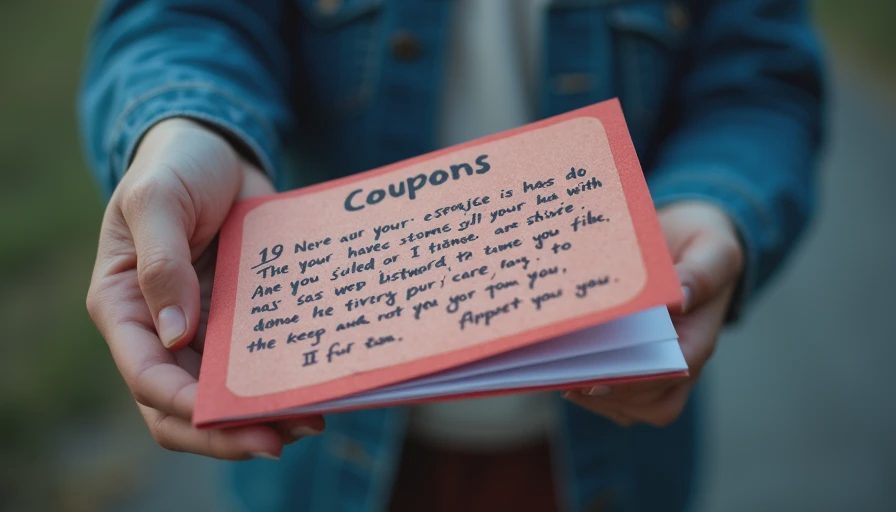
Presentation still matters, even when there is nothing to unwrap. Write the plan on a small card. Give the recipient a date range, a clear promise, and a way to accept without negotiating. “Dinner is on me next Thursday; I will bring everything” feels more complete than “I owe you dinner sometime.”
You can also create a small paper record of the gift: a hand-drawn map for a walk, a recipe for the meal you will cook, or a short note describing why you chose the experience. Paper can be recycled later, but it gives an intangible gift a visible beginning.
Avoid making the recipient perform gratitude. Do not photograph every moment, announce the sacrifice involved, or turn a favor into a future debt. Non materialistic gifts work because they center the receiver’s experience, not the giver’s generosity. The goal is not to be praised for having fewer purchases. The goal is to make someone’s day feel considered.
Gifts for different relationships
For a partner, choose something that restores attention: a phone-free evening, a planned breakfast, or a walk through a familiar neighborhood with time to talk. For a parent, offer help with a task they have carried for years, then do it without waiting for repeated reminders. For a close friend, create a standing invitation that survives busy schedules.
For a coworker, keep the gesture appropriate and easy to accept. A shared lunch, a sincere note naming something they handled well, or an offer to cover a small task can be generous without becoming personal in an uncomfortable way. For a new neighbor, a local guide made from your own recommendations can welcome them without giving them another household item.
Non materialistic gifts are also useful for children when they are framed as participation rather than deprivation. Let a child choose the route for a day trip, teach them to make a family recipe, or plan a night of camping in the backyard. The memory is not less exciting because it cannot be stored in a toy bin.
A simple test before you give
Before choosing, ask three questions. Will this fit the person’s actual schedule? Does it reduce effort or create another task? Will the meaning remain after the activity ends? If the answer is yes, you are close to a good gift.
Then make the offer concrete. Name the activity, suggest a time, cover the logistics, and leave room for a respectful no. Some of the finest non materialistic gifts are flexible enough to change when life changes. A promise to cook can become a grocery delivery; a planned outing can become tea at home. The care remains even when the format shifts.
Give less, mean more. A gift does not need to fill a room to leave an impression. Sometimes it is a free afternoon, a repaired fence, a meal eaten slowly, or a friend who arrives before you ask. That kind of generosity disappears into daily life, which is exactly where it belongs.
Comments
No comments yet — be the first to share a thought.