Minimalist Lifestyle: How to Make Room for What Actually Matters
Minimalist lifestyle ideas from a former Muji designer: clear clutter, buy fewer things, and keep only objects that earn their place every day at home.
A minimalist lifestyle is not a performance, and it is not an empty room with one chair in it. It is a way of deciding what deserves your square footage, your attention, and your money. I learned that years ago designing daily goods at Muji, where every object had to justify itself before it ever reached a shelf. The same question works at home. If something is useful, calm, and easy to live with, it stays. If it creates work, visual noise, or guilt, it goes. That is the quiet promise of less: not deprivation, but relief.
What a minimalist lifestyle changes first
The first thing a minimalist lifestyle changes is how you shop. You stop buying for the version of yourself who might someday become ultra-organized, and you start buying for the person who has to put away groceries on a Tuesday night. That sounds small, but it changes everything. A drawer full of mismatched gadgets becomes one good peeler, one sharp chef’s knife, and a cutting board that actually fits in the cabinet. A crowded entryway becomes a bench, a hook rail, and one tray for keys. In a home that is edited well, nothing has to be explained. The object either earns its place or it does not. That is why people often feel more rested after clearing a room than after decorating one.
You do not need to strip your home bare to get there. Start with the categories that create the most friction: duplicates, broken things, and objects you store for an imaginary future. If you own three can openers, keep the one that works smoothly. If the extra lamp only lives in the closet because you cannot decide where it belongs, let it leave. A calmer room is usually built from subtraction, not from a trip to the container aisle.
The fastest way to clear a room without buying storage
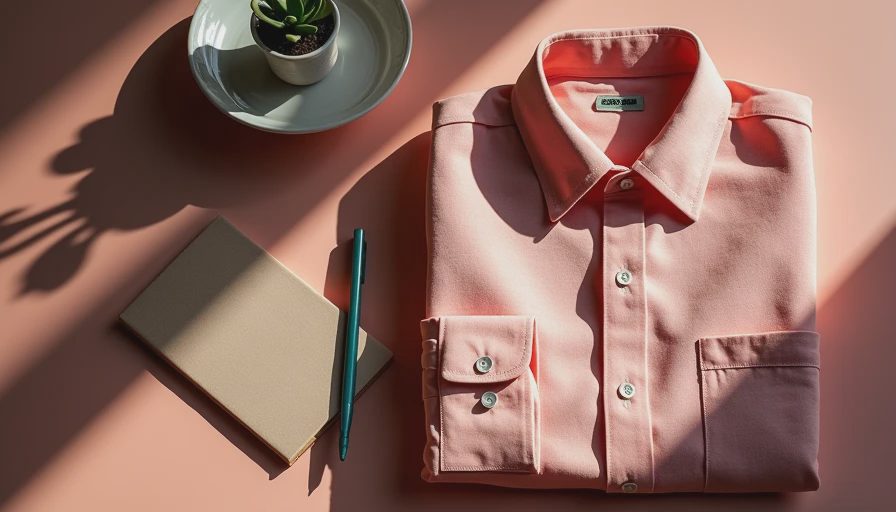
If a room feels chaotic, do not reach for baskets first. Storage can be useful, but it also lets you hide indecision in a prettier box. A more honest reset is to empty one surface completely, then return only what has a daily job. On a bedroom dresser, that might be a lamp, a dish for jewelry, and a book. On a bathroom counter, it may be hand soap, toothpaste, and the one moisturizer you use every morning. The rest can live elsewhere or leave altogether. This is where a minimalist lifestyle starts to feel practical instead of abstract. You are not chasing an aesthetic. You are clearing the path from task to task.
When I help friends edit a room, I usually ask where their hands go without thinking. The coffee table? The coat hook? The charging station by the bed? Those are the spots worth protecting. A small woven basket from IKEA, a lidded bin from Muji, or a plain tray from Target can help, but only after you have reduced the amount of stuff competing for that space. If the category still overflows after the edit, the problem was not a lack of storage. It was excess.
Spend on replacement quality, not volume
A common mistake is to keep buying cheap replacements instead of one better version. That gets expensive in a sneaky way. Two flimsy spatulas, a pack of scratchy towels, and a plastic bin that cracks after a year cost more in frustration than a single solid upgrade. For everyday items, I like spending where touch matters: a bath towel that dries well, a mug with a comfortable handle, a pantry container that seals cleanly, a desk chair that does not make your back complain. You do not need luxury to do this. You need restraint. A good object in a minimalist lifestyle is not precious; it is reliable. It disappears into the routine and still makes the routine better.
That is also why brand names can be useful as shorthand. Muji is good at plain tools that stay out of the way. OXO makes storage that is easy to use with one hand. IKEA solves space problems without asking for a design degree. None of those choices need to be perfect. They just need to be honest about their job. Buy fewer things, but let the things you do buy work hard enough to earn a long stay.

The calendar test: what survives a busy week
A home can look serene on a slow Sunday and still fail you by Thursday. The real test is what survives when the week gets crowded. On a night when dinner is late, laundry is half folded, and someone is trying to find a charger, the useful house is the one that answers quickly. There is a place for the keys. There is a hook for the coat. There is a drawer that opens fully and closes without a fight. Once a home settles into a minimalist lifestyle, the benefits are easy to feel in those small moments: less searching, less double-buying, less mental residue from unfinished tasks.
I have seen this in tiny apartments and in larger homes with too much furniture. The size of the room matters less than the number of decisions it asks from you. A coffee table that becomes a dumping ground creates work. A clear one creates a pause. A hall closet stuffed with maybe-useful things steals energy every time you open it. The goal is not visual perfection. The goal is to make ordinary life less noisy.
Keeping the habit without making it a project
The hardest part is not the first edit. It is the second wave, when life starts adding things back in. That is where rules help, but only if they stay gentle. One in, one out works for some categories. A monthly sweep of surfaces works for others. A thirty-minute reset before guests arrive can keep things from sliding into chaos. If you live with other people, the better question is not whether they love order in the same way you do. It is whether everyone can find what they need without a scavenger hunt.
The point is to make room for living, not to turn tidiness into a personality. A minimalist lifestyle should feel like a well-cut shirt: clean lines, easy movement, no fuss. If you want one practical place to start this week, clear one drawer, one shelf, or one corner and leave it emptier than feels natural. Then live with that pause. Most people are surprised by how good space can feel. Give less. Mean more.
Comments
No comments yet — be the first to share a thought.