
Gift Giving Psychology: How to Give Less and Mean More
Gift giving psychology can help you choose meaningful presents, avoid clutter, and honor the person receiving them. Learn thoughtful ways to give less.
Gift giving psychology begins with a simple truth: a present is never only an object. It carries attention, memory, hope, and sometimes pressure. We give to celebrate a birthday, repair distance, mark a new home, or say something that feels too large for an ordinary conversation. The trouble starts when our affection gets translated into more stuff than someone can use.
After six years designing daily goods at Muji USA, I became suspicious of objects that existed only to be purchased. A gift deserves a better question than “Will this look impressive when it is unwrapped?” Ask instead: “Will it make this person’s actual life a little more pleasant?” That question is where giving becomes less performative and more personal.
What gift giving psychology reveals about meaningful presents
Gift giving psychology is not a shopping strategy. It is a way to notice the emotional job a present is being asked to do. Some gifts communicate intimacy because they show close observation. A well-used paperback with a note inside can say, “I remember what you were worrying about last winter.” A repaired family recipe, printed on one sheet of good paper, can say, “Your ordinary rituals matter to me.”
Other gifts create obligation. An expensive appliance, a decorative object chosen for a room you do not live in, or a subscription that requires maintenance can quietly ask the recipient to become a caretaker. The price tag does not determine the burden. A $12 item can take up more mental space than a $120 experience if it is difficult to store, clean, assemble, or return.
The most satisfying gifts often have one of three qualities. They are useful in a way the recipient has not yet solved, they create a memory without becoming permanent clutter, or they preserve a shared story. The object itself is secondary. The accuracy of the observation is what makes it feel generous.

Consider a friend who has just moved into a small apartment. A large serving bowl may be beautiful, but it assumes storage, entertaining habits, and a style preference. A dinner at a neighborhood restaurant, a grocery delivery after moving day, or an offer to hang one difficult shelf may be far more welcome. Gift giving psychology helps us see that usefulness includes timing and effort, not just function.
Why people give too much
Many of us overbuy because we want visible proof that we care. One package can feel emotionally insufficient, especially when social media presents abundance as celebration. Several small items create a dramatic unboxing moment, while one carefully chosen thing can look almost quiet. Quiet does not mean careless. It often means the giver spent more time thinking and less time filling a basket.
There is also the fear of disappointing someone. If you are uncertain, buying three versions of a theme feels safer than choosing one. Yet a crowded gift can transfer the decision back to the recipient: keep, exchange, donate, or find a place for each item. The giver experiences relief at checkout; the receiver inherits a sorting project.
This does not mean wanting things is wrong. A person may genuinely love candles, colorful socks, specialty coffee, or a collection of vintage postcards. The point is not to impose minimalism on someone else. It is to learn the difference between giving from knowledge and giving from anxiety. A recipient who loves cooking may enjoy a precise pepper mill. That same pepper mill is a poor choice for someone who orders takeout and has no interest in kitchen tools.
Use gift giving psychology before you shop
Before opening a browser, write down three observations about the person. What have they complained about recently? What do they repeatedly make time for? What do they use until it is worn out? These questions lead toward evidence instead of guesswork.
Next, identify the scale of the gift. Is this a small thank-you, a milestone, a holiday exchange, or a gesture after a difficult week? A $20 gift can be exactly right for a neighbor, while a milestone may call for a more personal letter, a shared day, or a contribution toward something already meaningful. Let the relationship set the size; do not let the store set it for you.
Then choose one direction. If the person values mornings, consider excellent coffee beans, a bakery delivery, or a calm breakfast together. If they are stretched thin, remove a task rather than add an object. If they are learning something, pay for a class or supply they will actually use. If they are sentimental, restore or frame something they already own.
This process also gives you permission to stop. Once you find a gift that is accurate, useful, and emotionally clear, adding a second item usually weakens the message. Give less. Mean more.
Objects, experiences, and the gift of attention
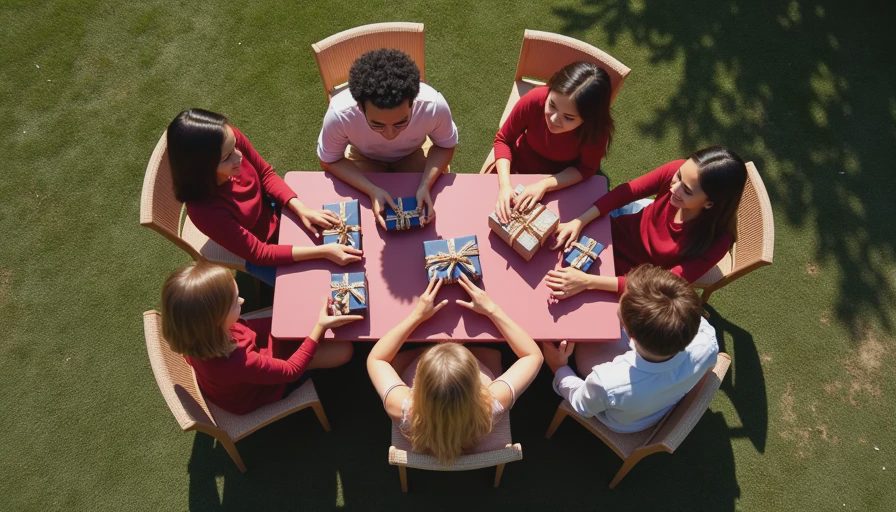
Gift giving psychology often separates material gifts from experiences, but the division is less important than the recipient’s daily reality. An experience can be thoughtful or exhausting. Tickets that require a long drive, a fixed date, and complicated childcare are not automatically better than a physical present. A modest object can be deeply considerate when it fits naturally into someone’s routine.
A useful test is to imagine the week after the gift is opened. Where does it go? When will it be used? Does it need batteries, special storage, or a new habit? Will the recipient have to thank you repeatedly for something they do not like? If the answers feel awkward, pause.
For a person who has everything, offer a finite thing: a planned walk, a handwritten account of a shared memory, a meal you cook, or a donation made in their name if you know the cause matters to them. Even better, give the gift of competence. Sharpen their kitchen knives, digitize old photographs, organize a closet, or handle the annoying appointment they have postponed. These gestures have no shelf life, but they can change a whole afternoon.
How to make a small gift feel complete
Presentation matters because it frames attention, not because it needs to be elaborate. Use one sheet of paper, a simple ribbon, or no wrapping at all if the setting allows. Include a note with a specific sentence. “I saw this and thought of your morning walks” is warmer than “Hope you like it.” Specificity proves that the gift was selected for a person rather than pulled from a category.
Timing matters too. A care package delivered after the deadline can feel like another task. A meal arriving on the first night home with a newborn may be remembered for years. A book given before a trip, a warm layer before a winter commute, or a replacement for a broken everyday object shows attention to sequence.
Gift giving psychology also explains why a small repair can feel intimate. When you restore a photograph, replace a missing button, or rebind a notebook, you are saying that the existing thing was worth saving. That message often lands more deeply than a new purchase.
A calmer holiday practice
For holidays, set a rule before the season begins. Give each person one considered gift, one shared experience, or one consumable item they will finish. Consumables work well because they create pleasure without creating a permanent resident in the home: olive oil, tea, soap, chocolate, flowers, or a favorite pantry ingredient.
If your family expects abundance, change the ritual gradually. Suggest a $50 limit, a name-draw exchange, a homemade meal, or a letter night. Explain that you want the celebration to feel less like inventory and more like time together. Do not turn your preference into a moral test for everyone else. Generosity can include accepting that another person enjoys giving differently.
The best gift is not always the most original one. It is the one that makes the recipient feel seen without asking them to perform gratitude, rearrange their home, or become a different person. That is the lasting lesson of gift giving psychology: attention is the rare material, and it takes up no space.
When I am uncertain, I return to a small question from my design years: does this deserve to exist? For a gift, I make it more personal: does this deserve to enter their life? If the answer is yes, give it simply. If the answer is no, give your time, your words, or your restraint instead. Give less. Mean more.
Comments
No comments yet — be the first to share a thought.