Best Experience Gifts for Minimalists Who Hate Clutter
Best experience gifts for minimalists who hate clutter: three thoughtful ways to give time, craft, or adventure without adding another object to their home.
The best experience gifts for minimalists who hate clutter do not arrive in a box that needs finding a home. They arrive as a Saturday morning, a new skill, a long walk, or an evening remembered months later. This is not a lesser form of giving. It is a more attentive one.
I spent six years designing everyday objects at Muji USA, where the question was always whether something deserved to exist. I now ask a similar question about gifts: will this add meaning, or simply add maintenance? For someone who has carefully edited their home, an experience can be generous without asking them to store, dust, display, or eventually donate anything.
What makes an experience gift feel personal
An experience is not automatically thoughtful. A generic gift card emailed at the last minute can feel just as impersonal as a novelty mug. The best experience gifts for minimalists who hate clutter have a clear connection to the recipient's habits, curiosity, or current season of life.
Think about what they already make time for. A friend who spends Sunday mornings baking might enjoy a small-group bread workshop. Someone who talks about taking more photographs could appreciate a guided photo walk or a beginner film-processing class. A couple who rarely gets an evening alone may value a planned dinner with the reservation, transportation, and babysitting arranged.
The work is in removing decisions. Choose a date range, explain what is included, and make the experience easy to redeem. A thoughtful note can say, "I chose this because you always stop to look at the moon," which means more than a long explanation about why the gift is practical.
The quiet luxury of a shared day
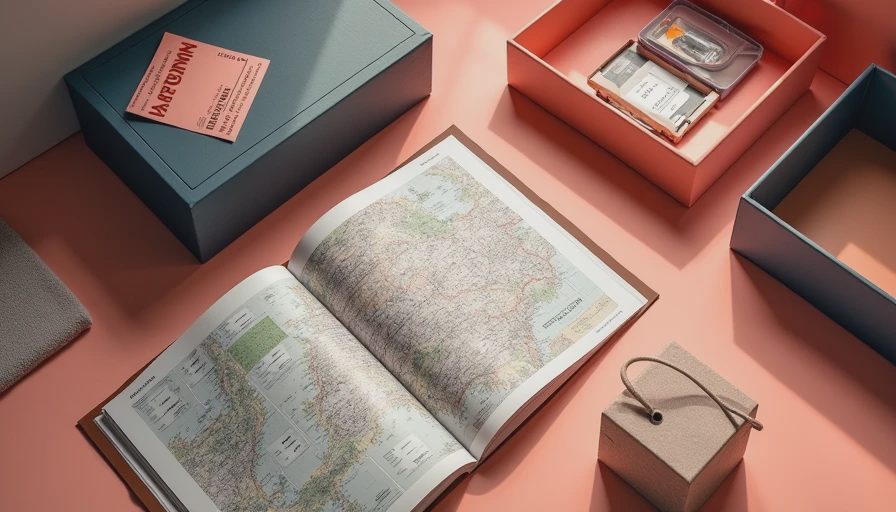
My first recommendation is a planned day together. Not an itinerary packed with six stops, but one modest experience surrounded by unhurried time. It might be a pottery class followed by coffee, a coastal hike and lunch, or a museum visit with dinner afterward. The gift is the day, not a pile of activities.
This works especially well for parents, siblings, and close friends who are difficult to shop for. The cost can range from about $40 for an admission and lunch to $200 or more for a private class or guided outing, depending on the city and group size. You are paying for attention and shared memory rather than an object with a price tag attached.
When giving this kind of experience, handle the details. Offer two possible dates, confirm accessibility, and account for travel time. If the recipient has a demanding schedule, a flexible voucher paired with a specific suggestion is kinder than a rigid appointment. A handwritten card with the plan inside is enough wrapping.
A class that leaves confidence, not clutter
The second of the best experience gifts for minimalists who hate clutter is a class that gives someone a capability they can continue using. Look for instruction rather than merchandise: knife skills, introductory woodworking, flower arranging, espresso preparation, watercolor, dance, or a hands-on cooking session.
A good class has a defined beginning and end, experienced instruction, and materials supplied on-site. That last detail matters. If the recipient must buy a $180 starter kit before attending, the gift has quietly become a shopping assignment. Ask whether tools and ingredients are included, whether the class is suitable for beginners, and how long the session lasts.
There is also a beautiful distinction between giving someone a hobby and giving them permission to try one. They do not have to become a ceramicist or sourdough expert. They only need an afternoon where making something matters more than making it perfectly. A class typically costs $60 to $150 per person, making it easy to give one session without creating an ongoing financial obligation.
When a small adventure is the right answer
For the person who already owns excellent luggage, a comfortable jacket, and every kitchen tool they want, consider an experience built around place. This could be a one-night stay at a simple inn, a guided kayak outing, a train ride to a nearby town, or a seasonal activity such as apple picking or a lighthouse walk.
The best experience gifts for minimalists who hate clutter should fit the recipient's actual appetite for novelty. An ambitious weekend in another state is not a thoughtful gift for someone exhausted by work. A half-day excursion within an hour's drive may be far more welcome. Pay attention to physical demands, weather, dietary needs, and whether the recipient enjoys being surprised.
A useful rule is to give one memorable variable, not five. Let the landscape be new while keeping the transportation simple. Or choose a familiar town and book an unusual activity. Experiences feel luxurious when the recipient can be present instead of troubleshooting logistics.
Three ways to make the gift feel finished
The experience itself is only half the gift. First, give enough information to create anticipation: the date window, location, expected duration, and what to wear. Second, cover the small friction costs when you can. A $75 class can become a $120 gift once you include parking, a rideshare, or a meal afterward. Third, avoid making the recipient coordinate the entire plan. If they must research availability and email three companies, you have handed them a task.
A physical card is still appropriate for a minimalist. Choose a small, recyclable card or write on good paper they can recycle afterward. Include a sentence about why you chose the experience, then stop. The point is not to decorate the gift. It is to make the intention visible.
You can also give an experience remotely. A virtual cooking lesson, online language session, or live craft demonstration can work for a friend in another state. Just confirm the technology requirements and time zone first. A link without context is not a present; a scheduled moment with clear instructions is.
A better answer for the person who has everything
The best experience gifts for minimalists who hate clutter respect both sides of the relationship: the giver wants to express love, and the recipient wants to protect a carefully made life. That balance is possible. Give a morning instead of a decorative object. Give practice instead of equipment. Give a story that will be retold instead of something that will need a shelf.
If you are uncertain, ask a quiet question before buying: "What is something you would enjoy doing but keep postponing?" The answer may reveal a class, a day trip, or simply time together. Listen for the scale that feels inviting, not impressive.
A thoughtful gift does not need to prove how much you spent or how cleverly you searched. It only needs to show that you noticed. Give less. Mean more.
Comments
No comments yet — be the first to share a thought.