The Life Expectancy of a Gift: Why Most Objects Are Discarded in Six Months
Most gifts are discarded within six months. Former Muji designer Lena Norwood explains why — and how to give gifts that last longer than a season.
I used to design things that people wanted.
Then I watched what happened to those things six months later. They sat on shelves. They moved to the back of drawers. They ended up in donation boxes. The desire that had driven the purchase had evaporated, leaving behind only the object.
I started asking: why?
Why do we want something so badly, and then forget it exists? Why do we give gifts with love, only to see them discarded? What is the life expectancy of a gift — and can we extend it?
The Six-Month Window
Here's a number I've carried with me since my Muji days.
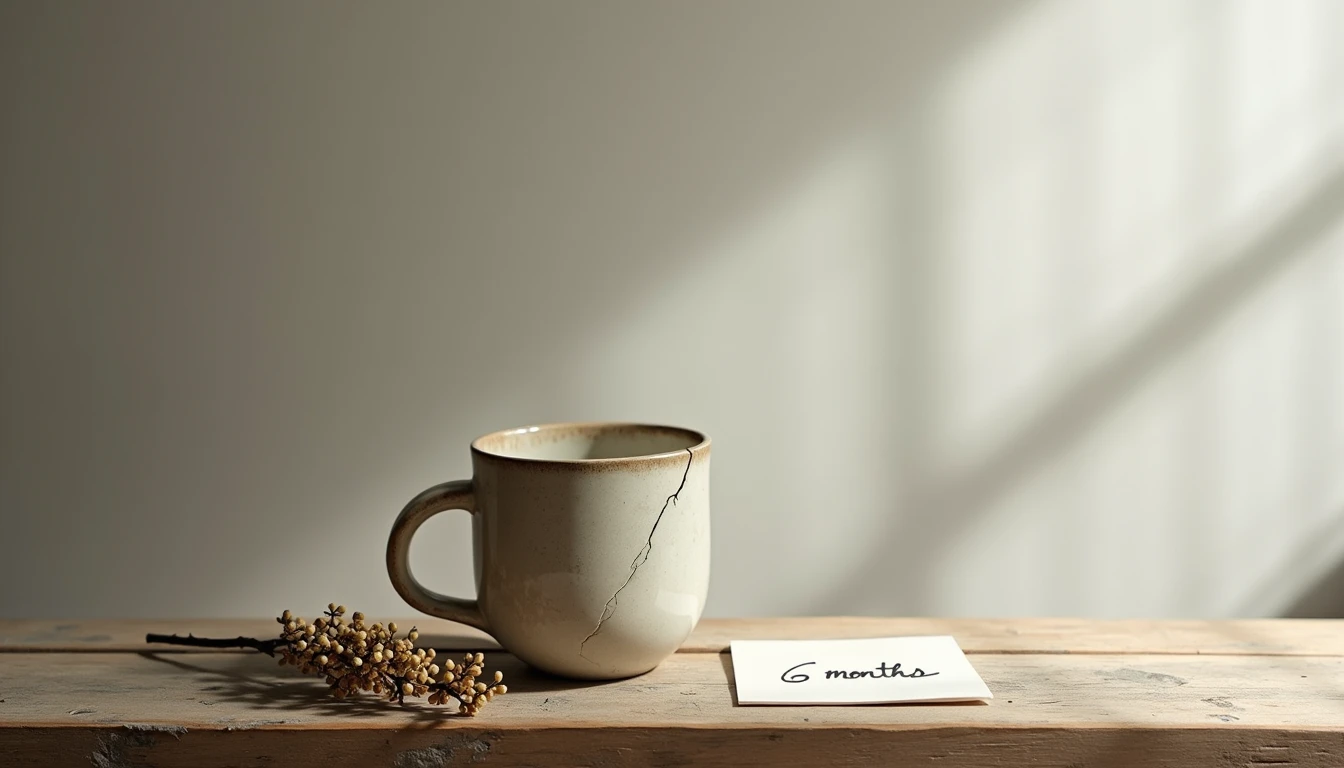
Six months. That's the average time between when an object arrives in a home and when it stops being used. Not thrown away, necessarily — just ignored. It's still there. It just doesn't matter anymore.
I've seen this pattern hundreds of times. A gift is received with gratitude, placed on a shelf, and then quietly forgotten. It doesn't get donated immediately — that would feel rude. But it gets moved. To a less prominent shelf. To a drawer. To a box in the closet. And then, eventually, to Goodwill.
The six-month window is the period of politeness. After that, the object is free to go.
This is the reality of clutter-free gifts that aren't thoughtfully chosen. They seem like a good idea at the time. But they don't earn their place.
Why We Forget
The objects that survive longer than six months share something in common. They aren't just functional. They're present.
A functional object does its job. A present object does its job and reminds you of something. It carries a memory. It makes you feel something. It becomes part of your life, not just part of your space.
Most gifts fail this test. They're useful enough to keep, but not meaningful enough to use. They exist in the middle ground — not bad enough to throw away, not good enough to reach for.
That's the six-month death zone.
The Cost of Clutter
When a gift is discarded, it doesn't just waste money. It wastes something more valuable.
It wastes the attention that went into choosing it. It wastes the hope that it would land. It creates a quiet sense of failure for the giver and a quiet sense of obligation for the receiver.
Clutter isn't just stuff. Clutter is unfulfilled intention.
If you've ever received a gift that you didn't want and felt guilty about it, you know what I mean. The gift came with love. But it also came with a burden. The burden of finding a place for it. The burden of pretending. The burden of eventually getting rid of it.

Minimalist gift ideas aren't about avoiding clutter for its own sake. They're about avoiding that burden.
The Gift That Lasts
So what lasts longer than six months?
Objects that pass the three tests: Form, Function, and Feeling. Objects that have a clear purpose and a clear place. Objects that don't require the recipient to rearrange their life to accommodate them.
But here's the deeper truth I've learned.
The gifts that last the longest aren't objects at all. They're moments, memories, experiences. They're the night off. The donation that honors a personal story. The year of learning something new.
These gifts don't have a six-month window. They have a lifetime.
Meaningful gifts that aren't things don't get moved to a drawer. They don't end up at Goodwill. They stay exactly where they landed — in the recipient's memory.
How to Break the Cycle
If you want to give a gift that lasts longer than six months, start with this question:
Will this still be part of their life when the seasons change?
If you can't picture it, don't buy it.
Give something that doesn't need to be stored. Give something that doesn't need to be dusted. Give something that asks nothing of the recipient except to receive it.
Intentional gifts are the ones that break the six-month cycle. They're chosen with attention, given with care, and received without obligation.
And those are the gifts that stay.
Give less. Mean more.
Comments
No comments yet — be the first to share a thought.