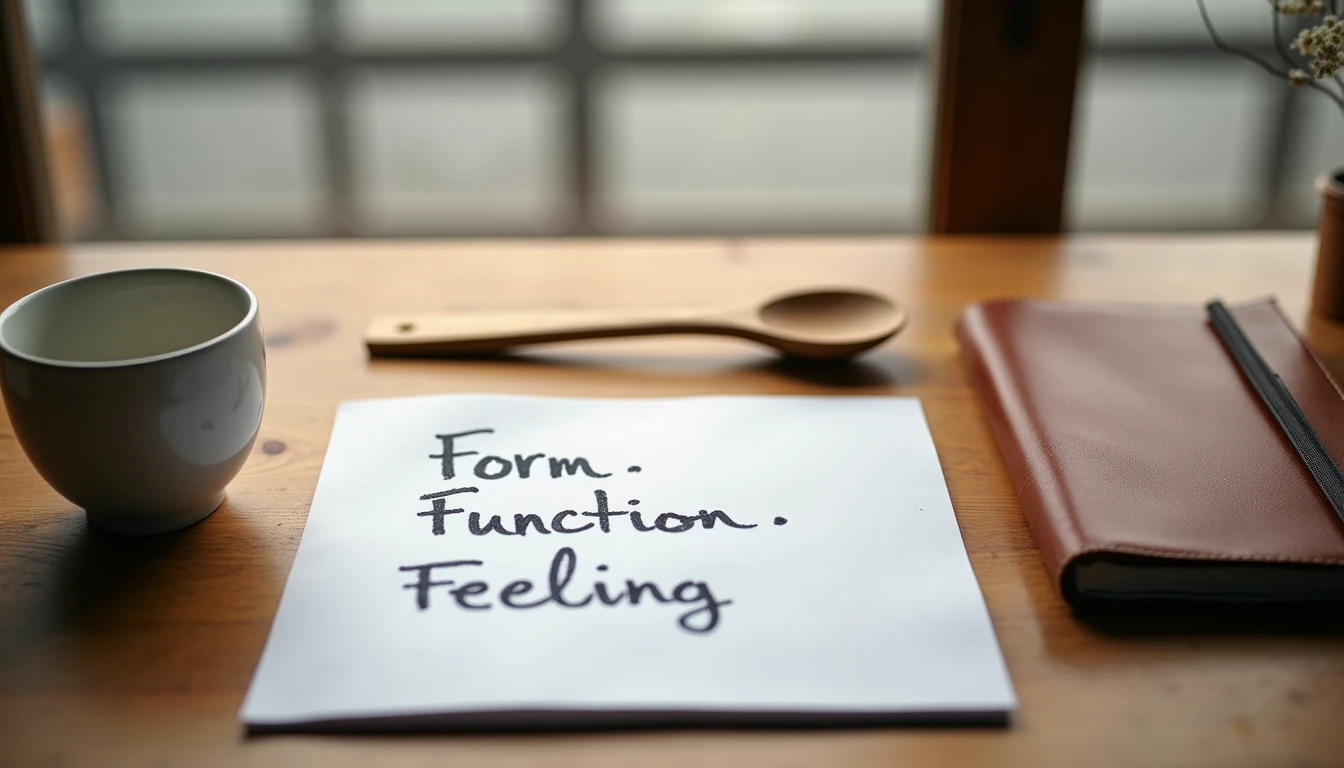
Form, Function, and Feeling: The Three Tests a Gift Has to Pass
Form, Function, and Feeling — the three tests every gift must pass. Former Muji designer Lena Norwood explains how to find gifts that actually stay.
At Muji, we had a rule.
Every product had to pass three tests. If it failed any of them, we killed it. No exceptions.
The tests were simple. Form, Function, and Feeling. Three words that sound obvious — and are surprisingly difficult to get right.
Most objects pass one test. Some pass two. The ones that pass all three are rare. And those are the only ones worth giving.
Test One: Form
Form is the first thing we notice.
It's how an object looks, how it feels in your hand, how it sits in a room. It's the weight, the texture, the way light falls on its surface. It's not about being "pretty." It's about being present.
A mug with a handle that's too small to hold comfortably fails form. A lamp that casts harsh light instead of warm fails form. A notebook with paper that doesn't lie flat fails form.
At Muji, we'd hold prototypes for hours. We'd close our eyes and feel the edges. We'd place them in different rooms and watch how the light changed them. We'd ask: does this object feel like it belongs here?
Form isn't decoration. It's the first conversation an object has with the person who holds it.
Well-designed gifts start with form. They don't have to be expensive. They don't have to be rare. They just have to feel right.
Test Two: Function
Function is what an object does.
This sounds simple. But most objects fail function not because they don't work — but because they don't work without fuss. A knife that needs constant sharpening. A bag that's beautiful but too heavy to carry. A chair that looks great but isn't comfortable to sit in.
Function isn't just about doing the job. It's about doing the job quietly. An object that announces its presence every time you use it is an object that's failing function.
At Muji, we'd use products in our own homes for weeks before we approved them. We'd ask: does this make the task easier, or harder? Does it ask too much of the person using it?
A gift that passes function is a gift that doesn't create work. It doesn't ask the recipient to figure it out, to adapt to it, to forgive its flaws.
Minimalist gift ideas often focus on function — the idea that a gift should be useful. But function alone isn't enough.
Test Three: Feeling
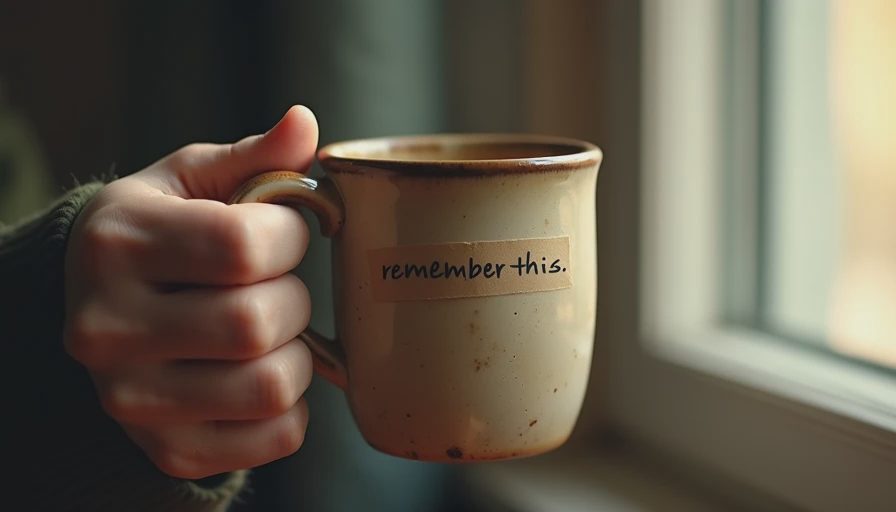
This is the hardest test.
Feeling is the emotional connection. It's the reason an object becomes more than its parts. It's the difference between a tool and a treasure.
You can hold a beautifully designed, perfectly functional object and feel nothing. It does its job. It looks good. But it doesn't reach you.
The gifts that pass feeling are the ones that carry something. A story. A memory. A sense that someone thought of you when they made it or chose it.
At Muji, we'd ask: "Does this object make you want to keep it?" Not because it's useful. Because it matters.
When I think about the gifts I've kept for years, they all passed feeling. The ceramic cup from the potter in Maine. The linen napkins from Vermont. The wooden spatula David approved. They're functional. They're beautiful. But more than that — they feel like they belong to me.
Gifts for someone who has everything often fail feeling. They're nice. They're useful. But they don't connect. That's why they end up in donation boxes.
The Gift That Passes All Three
A gift that passes all three tests is rare. But when you find one, you know it.
It's an object you reach for every day. It looks good. It works well. And every time you use it, you remember the person who gave it to you.
That's the gift that stays.
Intentional gifts are gifts that pass all three tests. They're not bought because they were on sale. They're not given because the calendar said it was time. They're chosen with attention — to the person, to the object, to the connection between them.
How to Use the Tests
Next time you're buying a gift, apply the tests.
Form: Is it beautiful? Does it feel good to hold? Will it sit comfortably in their space?
Function: Does it work well? Does it make life easier, not harder?
Feeling: Does it mean something? Will they think of you when they use it?
If a gift passes all three, buy it.
If it fails any one, put it back.
And if you find yourself giving a gift that doesn't need to be an object at all — that's when you know you're really paying attention.
Give less. Mean more.
Comments
No comments yet — be the first to share a thought.