Five Questions I Asked Every Product at Muji — And Why You Should Ask Them Before You Buy a Gift
Former Muji designer Lena Norwood shares five questions she asked every product — and why you should ask them before buying any gift.
At Muji, we killed a lot of products.
Not because they were bad. Because they weren't necessary. We'd design something beautiful, functional, and well-made — and then we'd ask the questions. Most of the time, the object didn't survive.
I used to think this was harsh. Then I realized it was kind. Killing a product before it reaches a shelf is kinder than letting it become someone's clutter.
Now, when I shop for gifts, I use the same questions. Not to judge, but to choose. Not to eliminate everything, but to find the one thing worth giving.
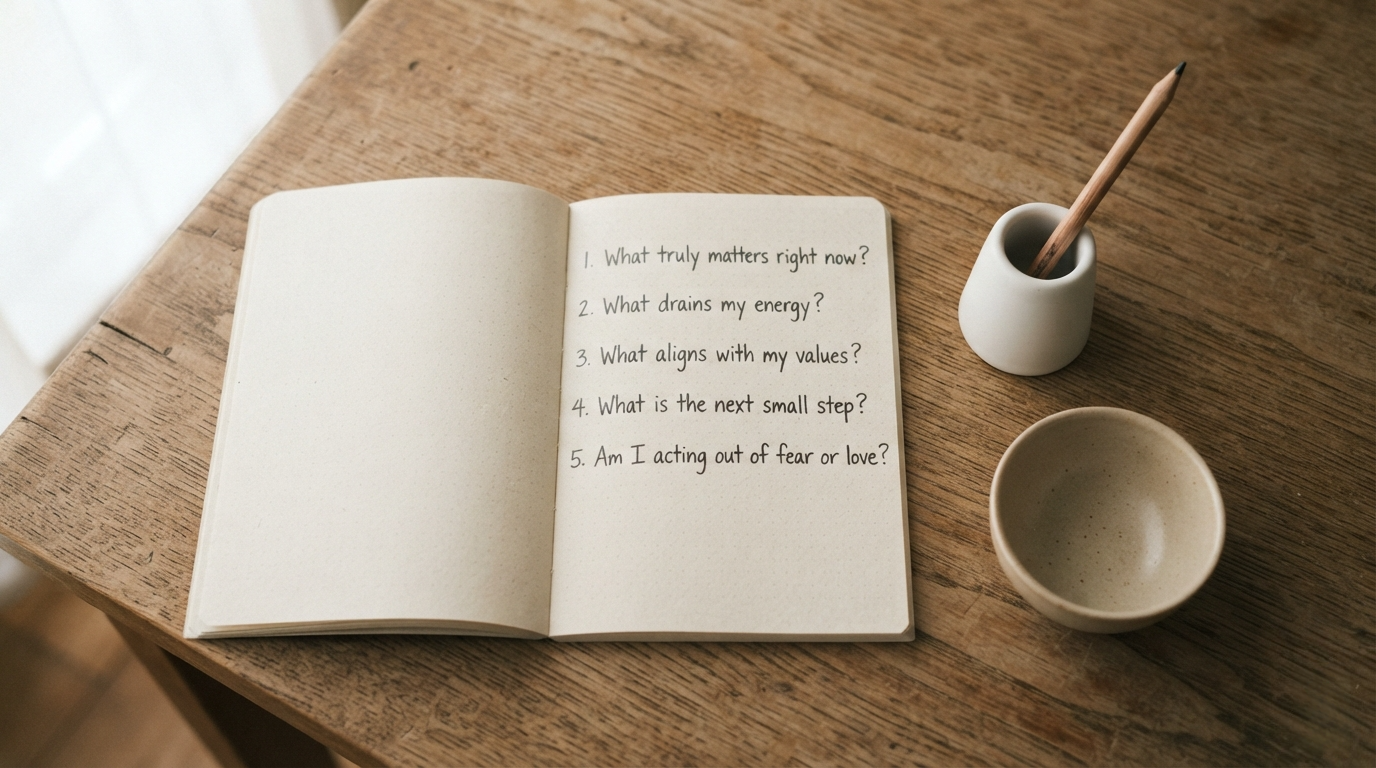
Here are the five questions. Ask them before you buy anything for anyone.
1. Does This Object Earn Its Place?
This is the first question, and it's the hardest.
An object earns its place when it has a clear purpose that nothing else in the recipient's life already serves. Not "it's nice" or "it's pretty." A real, specific, daily function.
At Muji, we used to put a prototype on the table and ask: "Who is reaching for this, and when?" If we couldn't answer that question clearly, we went back to the sketch. Or we killed it.
When you're buying a gift, ask the same thing. Is this something they'll reach for every morning? Every week? Is it solving a problem they actually have — or a problem you think they have?
If you can't picture it in their daily life, it doesn't earn its place.
2. Will They Remember It in a Year?
This is the question that separates gifts from clutter.
Most objects are forgotten within six months. They get used once, appreciated, and then relegated to a drawer or a shelf. A year later, they're still there — but no one remembers why.
A gift worth giving is one that will be remembered. Not because it's expensive or rare, but because it's present. It has a story. It has a use. It connects to something real.
At Muji, we'd ask this question about every product: "Will this still be in someone's life a year from now?" If the answer was no, we'd ask why we were making it.
When you're buying a gift, ask the same thing. Will they think of you when they see it? Will it still be part of their life when the seasons change?
Gifts for someone who has everything are often the ones that pass this test — not because they fill a gap, but because they add something that was missing.
3. Is This Just a Version of Something They Already Have?
This is where most gift-buying goes wrong.
We buy things that are nearly identical to things the recipient already owns. Another mug. Another candle. Another scarf. The color is different. The brand is different. But the function is the same.
At Muji, we'd look at a product and ask: "Is this just a better version of something that already exists?" If it wasn't significantly better, we'd stop. The world didn't need another version of the same thing.
When you're buying a gift, ask the same thing. Is this a new version of something they already have? Or is it something they truly don't have and genuinely need?
4. Does This Need to Be an Object?
Here's a question most gift-givers never ask.
Does this gift need to be a thing? Or could it be an experience, a donation, a promise, a letter, a night off?
At Muji, we only made objects. But when I left, I started asking this question about the gifts I gave. Most of the time, the answer was "no." The gift didn't need to be an object. It just needed to feel like attention.
Meaningful gifts that aren't things often land harder than the things we wrap. They ask less of the recipient. They stay longer. They take up no space — in homes, in shelves, in the quiet guilt of receiving something you don't need.
When you're shopping, ask yourself: is this better as an object — or as something else?
5. Does It Pass the Three Tests?
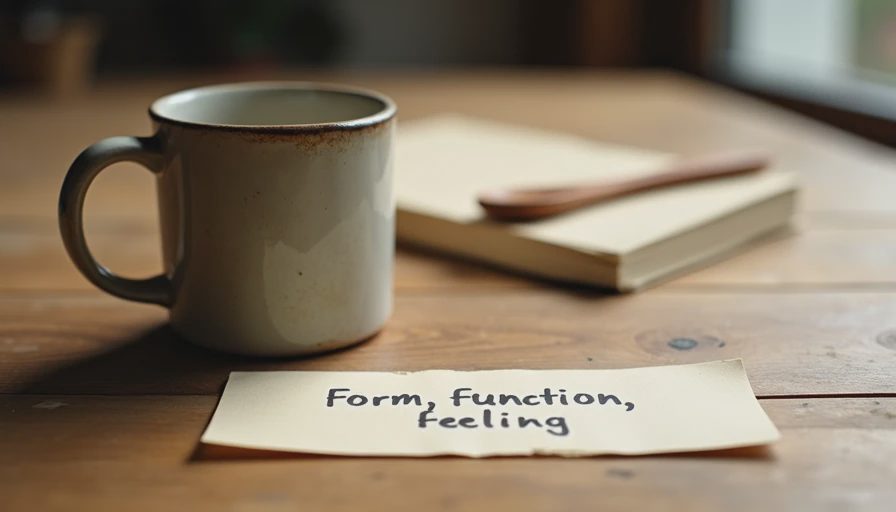
Form. Function. Feeling.
If an object is beautiful but uncomfortable to hold, it fails. If it works perfectly but feels soulless, it fails. If it's lovely and functional but doesn't connect to anything, it fails.
The best gifts — the ones that actually earn their place — pass all three.
At Muji, we'd test products for months to make sure they passed. We'd hold them, use them, watch people use them. We'd ask if they felt right, worked right, and mattered.
When you're buying a gift, you don't have months. But you can ask yourself: does it look good, work well, and feel like it means something?
If the answer to any of these is no, put it back.
The Question That Matters Most
I've been asking these questions for years. They've saved me from buying hundreds of gifts that would have become clutter. They've helped me find the ones that actually stayed.
But there's one more question I ask before I buy anything.
Is this gift for them — or for me?
If it's for them, give it. If it's for me — to feel good, to check a box, to avoid the awkwardness of showing up empty-handed — then it's not a gift. It's a transaction.
Give less. Mean more.
And start with the questions.
Comments
No comments yet — be the first to share a thought.