
Minimalist Meal Prep Ideas for a Calmer, Simpler Week
Minimalist meal prep ideas for people who want fewer ingredients, less cleanup, and satisfying meals that make the week feel lighter and more intentional.
Minimalist meal prep ideas begin with a quiet question: what will you actually want to eat on Wednesday night? Not what looks impressive in a refrigerator full of matching containers, and not a plan that requires two hours, twelve ingredients, and a separate sauce for every meal. The useful version is smaller. It gives you a few dependable building blocks, enough variety to stay interested, and a kitchen that still feels calm when you are finished.
I think of meal prep the way I used to think about designing a daily object: remove the feature that creates friction, keep the part people reach for without thinking, and make the result pleasant enough to use again. You do not need a new gadget or an elaborate Sunday ritual. You need a short list, one pan, and a realistic understanding of your appetite.
Start with three meal components
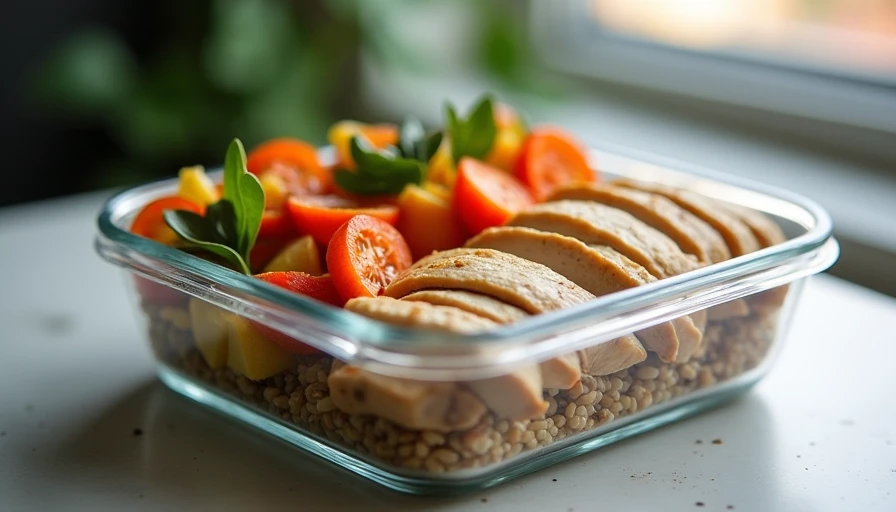
The most flexible minimalist meal prep ideas use three categories: a protein, a vegetable, and a carbohydrate. Choose one from each and prepare enough for several combinations. A sheet pan of chicken thighs, broccoli, and sweet potatoes can become a bowl with yogurt sauce, a pita filling, or a simple dinner beside greens. Tofu, roasted cabbage, and rice work in the same way with sesame dressing or a fried egg.
Aim for two proteins, two vegetables, and one starch if you want more choice. That is enough to create contrast without turning the refrigerator into a collection of unfinished projects. Lentils can stand in for meat, frozen peas count as a vegetable, and leftover rice is often more useful than a carefully portioned grain cooked specifically for the week.
Write the plan on a piece of paper before shopping. If an ingredient appears only once, question it. A bunch of cilantro that serves one recipe is less efficient than scallions used in eggs, grain bowls, and soup. The goal is not visual perfection. It is fewer decisions between Monday morning and Friday lunch.
Choose recipes that share a base
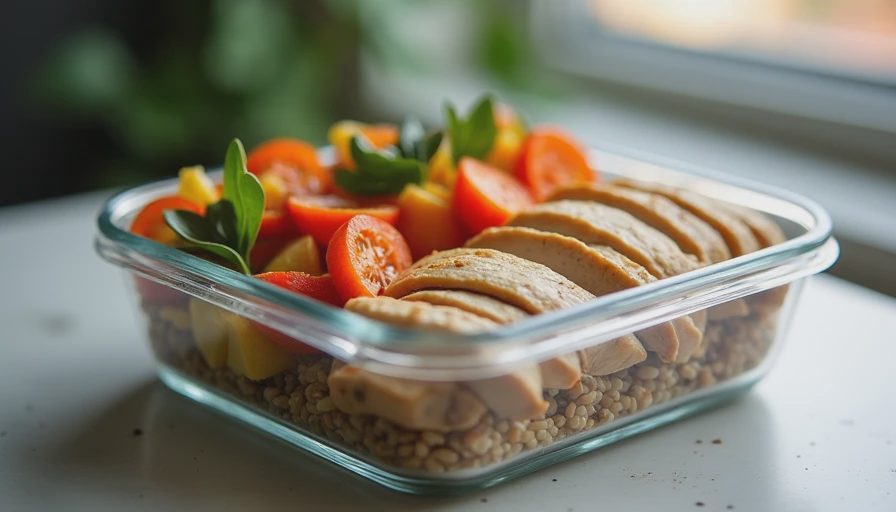
One of the most practical minimalist meal prep ideas is to cook a neutral base and change the finishing details. Brown rice, quinoa, or roasted potatoes can move between several meals. Add lemon and olive oil for a bright plate, salsa and avocado for something warmer, or miso dressing for a savory bowl. The base does not need to announce itself as leftovers.
Try this simple Sunday sequence. First, start the oven at 425 degrees and roast a tray of vegetables. While they cook, simmer lentils or rice on the stove. Finally, mix one dressing in a jar. A lemon-tahini sauce takes about five minutes: stir together tahini, lemon juice, water, salt, and a small amount of maple syrup. Store the dressing separately so greens and roasted vegetables keep their texture.
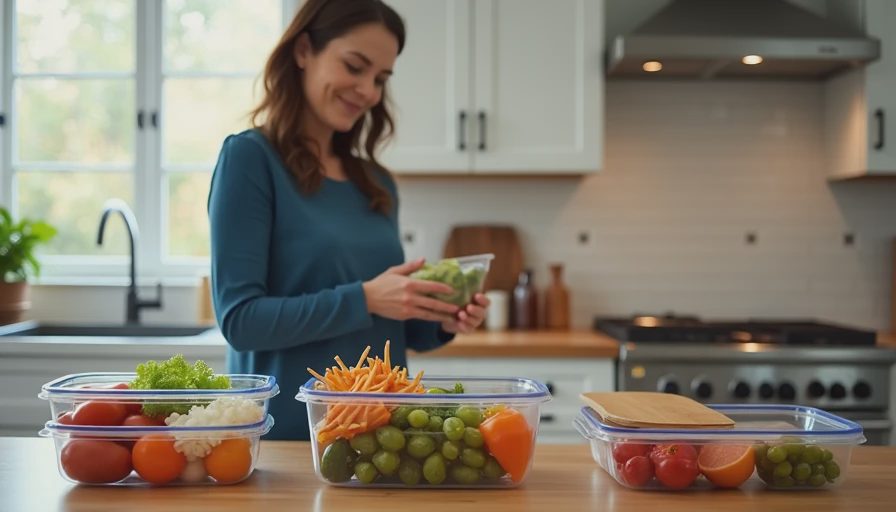
This method also reduces cleanup. Use one cutting board, one sheet pan, one pot, and one storage container for each finished component. A set of four or five sturdy glass containers is sufficient for most people; buying more often creates permission to prepare more food than can be eaten.
Keep breakfast almost automatic
Breakfast is where minimalist meal prep ideas can save the most mental energy. Pick one dependable format for the week rather than attempting five different breakfasts. Overnight oats, egg muffins, Greek yogurt with fruit, or a batch of savory oatmeal can all work. The best choice is the one you will assemble when you are tired, late, or uninterested in cooking.
For overnight oats, combine rolled oats, milk, chia seeds, and cinnamon in four small jars. Add bananas or frozen berries when you eat them. If you prefer eggs, bake eight eggs with spinach and grated cheddar in a small pan, then cut the mixture into squares. Serve one with toast and fruit. The preparation takes less time than a complicated coffee order, and the ingredients are easy to replace.
Leave room for a non-prepped breakfast once or twice. A plan that allows toast with peanut butter, a diner omelet, or nothing more than coffee is more durable than one that treats every morning as a performance.
Make lunch from a small formula
A useful lunch formula is one handful of greens, one cup of a cooked base, one palm-sized protein, and one spoonful of something flavorful. Minimalist meal prep ideas become easier when the formula stays consistent and the ingredients rotate. Use chickpeas this week, tuna next week, and leftover roast chicken after that.
Pack crunchy ingredients separately when possible. Seeds, sliced apples, croutons, and toasted nuts lose their appeal when they sit in dressing overnight. A small reusable jar solves the problem without adding a new system. For a desk lunch, pack the main container, a dressing jar, and one piece of fruit. That is enough structure without recreating a restaurant menu.
A freezer can extend the plan. Freeze portions of soup, chili, cooked rice, or beans in flat bags or compact containers. Label each one with the date and contents. Flat portions thaw quickly and stack neatly, which matters in a small freezer. Keep one emergency meal available for the evening when the planned dinner is no longer appealing.
Shop with a deliberately short list
Shopping is where many minimalist meal prep ideas become unnecessarily complicated. Before leaving home, check the refrigerator and pantry. Then choose one protein, two vegetables, one starch, one breakfast option, and one flavor accent. A sample list might include chicken thighs, cabbage, carrots, brown rice, eggs, lemons, and plain yogurt. From that group, you can make bowls, soup, breakfast, and a simple roast dinner.
Buy vegetables in forms that match your real life. Fresh kale is admirable but useless if it wilts untouched; frozen spinach might be the more sensible choice. Pre-cut butternut squash can cost more than a whole squash, but the price difference may be worthwhile if it turns an ambitious recipe into a meal you actually cook. Minimalism is not a contest to spend the least. It is a way to remove waste, including wasted intentions.
Before adding a new ingredient, name two meals it will join. If you cannot, leave it at the store.
A quiet reset for the next week
On Friday, notice what remains. Extra rice suggests you need fewer grains next time. Uneaten greens might call for smaller purchases or a different variety. A sauce that disappeared quickly deserves a repeat. This short review makes minimalist meal prep ideas more personal than any downloadable plan because it follows your habits rather than correcting them.
Keep the useful parts and release the rest. You do not need seven perfectly balanced containers, matching labels, or a refrigerator arranged like a catalog page. You need food with enough flavor, a preparation rhythm that respects your time, and a little space for the week to change.
My own version usually ends with roasted vegetables, lentils, eggs, and one good dressing. It is not exciting in the way a crowded recipe board is exciting. It is better: on Tuesday, there is something ready; on Thursday, there is still enough choice; and on Sunday, the kitchen does not feel like a punishment. Give less. Mean more.
Comments
No comments yet — be the first to share a thought.