Mindful Gifting: Give Less, Mean More
Mindful gifting helps you choose fewer, more meaningful presents that respect space, reflect real affection, and remain useful long after the wrapping is gone.
Mindful gifting begins with a pause. Before asking what to buy, ask what would genuinely add something to this person's life. That small shift can turn a familiar exchange into a more generous one. It can also spare your sister another novelty mug, your friend a scented candle she does not like, and your father the quiet work of finding space for one more object. Mindful gifting is not about making presents austere or joyless. It is about paying enough attention to give something that feels considered, useful, or beautifully temporary.
I learned this distinction while designing everyday objects. A product could be handsome, well made, and still not deserve a place in someone's home. The same is true of a gift. The question is not whether the item is attractive in a store. The question is whether it will be reached for on an ordinary Tuesday.
Start With the Person, Not the Category
The easiest way to give poorly is to begin with a category: gifts for cooks, gifts for travelers, gifts under $50. Categories are useful for retailers, but they rarely know the person you love. Begin instead with observation.
What does she do every morning? What small annoyance does he mention repeatedly? Which worn object has stayed because replacing it feels like too much effort? A person who makes pour-over coffee might appreciate a sturdy carafe more than a coffee-themed sign. Someone who walks to work may use a good merino hat every week, while a decorative travel journal remains untouched.
Mindful gifting also means respecting a person's stated limits. If someone has asked for no physical gifts, believe them. A restaurant reservation, a museum membership, a home-cooked meal, or an afternoon of practical help can carry warmth without becoming another responsibility. Giving less is not giving less love. Sometimes it is the clearest evidence that you listened.
Choose the Gift That Earns Its Space
When I evaluate an object, I look for three qualities: usefulness, durability, and emotional fit. A gift does not need to satisfy all three perfectly, but it should have a reason to exist beyond the moment of opening.
Usefulness is not limited to household tools. A $35 paperback chosen for a specific conversation can be useful to the mind. A $20 pastry box from a local bakery can create an evening without leaving a permanent trace. Durability can mean physical longevity, but it can also mean a memory that remains vivid after the consumable is gone. Emotional fit asks the quietest question: does this feel like them, or like a projection of what I wish they enjoyed?
A few examples make the difference clear. A single linen apron for a friend who cooks weekly has a better chance of becoming part of her routine than a bundle of six kitchen gadgets. A framed photograph may be meaningful for a parent who keeps family pictures, but intrusive for someone whose walls are deliberately bare. The best mindful gifting choice often looks obvious only after you have paid attention.
Three Forms of a Smaller Gift
There are only three kinds of presents I return to. The first is an improved daily essential: a pair of comfortable house shoes, a well-balanced chef's knife, or a pen that feels good in the hand. Choose one, not a themed collection. A single excellent object creates less visual noise and gives the recipient a clear reason to use it.
The second is a consumable with a short, pleasurable life. Olive oil, loose-leaf tea, chocolate from a careful maker, or a small batch of jam can feel abundant without becoming clutter. Look for something the recipient already enjoys, rather than treating the gift as an invitation to acquire a new hobby.
The third is time. Offer to make dinner, organize old family photographs, repair a loose cabinet pull, or take a friend on a long walk. Be specific. “Let me help sometime” is kind but vague; “I will come Saturday at ten and hang those shelves” is a gift someone can actually receive.
Mindful gifting becomes easier when these three forms are available. You are no longer searching an endless internet for an impressive object. You are choosing between something that supports a routine, something that can be enjoyed and used up, and something that makes a person's day lighter.

The Note Matters More Than the Packaging
A thoughtful note can rescue a simple gift from feeling generic. Do not explain that you had no idea what to buy. Say what you noticed. “You make soup every Sunday, and this reminded me of your kitchen” gives context to a wooden spoon. “For the mornings when you need ten quiet minutes” makes a packet of excellent coffee feel personal.
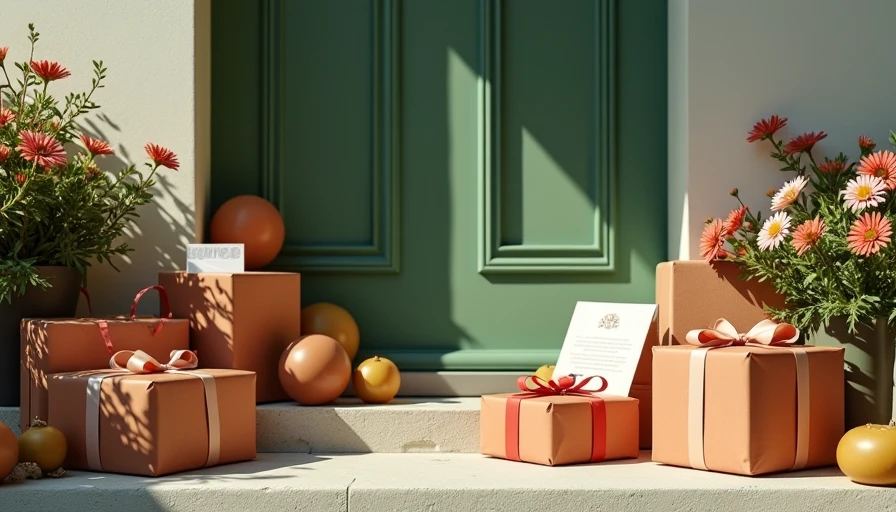
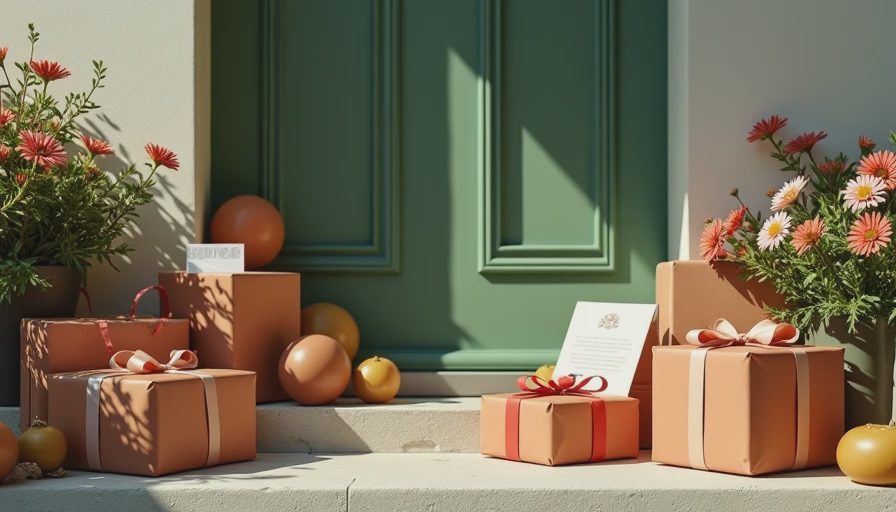
Keep the wrapping equally simple. Brown paper, a reusable cloth, or no wrapping at all can be lovely when the presentation feels intentional. I often use a small paper band and write the recipient's name by hand. The goal is not to create a performance that takes longer to clean up than the gift takes to enjoy.
This is where mindful gifting separates attention from expense. A $12 item with a precise note can feel more intimate than a $120 item selected in a rush. Price can communicate quality, but it cannot substitute for knowledge.
A Quiet Test Before You Buy
Before checking out, ask four questions. Would this person choose it for themselves? Do I know where it will live or how it will be used? Is it easy to maintain, return, consume, or pass along? Am I buying it because it suits them, or because I want the pleasure of being seen as generous?
The last question is uncomfortable and useful. Many unwanted gifts are not careless; they are overenthusiastic. We see a beautiful vase and imagine a friend's home transformed, or find a clever gadget and imagine a parent delighted. But the recipient has existing habits, surfaces, budgets, and preferences. A gift enters that whole system.
For someone who has everything, choose an experience with a defined shape: tickets for a particular date, lunch at a favorite neighborhood spot, or a class you will attend together. For a grieving friend, offer practical presence rather than a decorative symbol. For a new homeowner, ask what remains unfinished before buying another object. Good giving begins where fantasy ends.
Let the Gift Be Enough
There is a peculiar pressure to add one more thing: a card with the present, a small extra in the bag, a backup gift in case the first seems too modest. Resist the reflex. One well-chosen present, clearly given, can carry the whole message.
Mindful gifting is not a method for making every holiday perfect. It is a practice of reducing the distance between affection and action. Notice the person. Choose with restraint. Say why you chose it. Then let the moment breathe.
In my home, the gifts I remember most are rarely the largest. They are the jar of marmalade made from fruit someone knew I loved, the repaired lamp returned without ceremony, the book with a sentence marked on the first page. Each one made room for me rather than asking me to make room for it. That is the measure I use now: not how impressive a gift appears, but how naturally it belongs.
Give less. Mean more.
Comments
No comments yet — be the first to share a thought.