Meaningful Presents That Create Memories Not Waste
Meaningful presents that create memories not waste: thoughtful ideas for shared time, useful objects, and gifts with a life beyond the unwrapping.
The best gift is rarely the most impressive one in the package. More often, it is the thing that changes an ordinary afternoon, starts a tradition, or reminds someone that you were paying attention. Meaningful presents that create memories not waste begin with a simple question: what would make this person's life feel a little more considered?
I spent six years designing everyday objects for Muji USA, where I learned to question whether each item earned its place in a home. That question belongs in gift-giving, too. A present does not have to be large, expensive, or permanently displayed to matter. It needs a clear relationship to the person receiving it.
Start with the memory, not the object
Before shopping, think of a moment you would like to give someone. Perhaps it is a slow Saturday breakfast, an afternoon learning something new, or a walk that becomes part of your annual calendar. The object is secondary. It simply helps the moment happen.
For a parent who constantly says there is nothing to do, a planned day together can be more generous than another decorative item. Pack coffee, choose a nearby trail, and print one photograph afterward. For a friend who has moved into a new apartment, offer to cook dinner there rather than bringing a novelty sign for the wall. The gift becomes an experience, and the experience leaves a story behind.
Meaningful presents that create memories not waste often have one thing in common: the giver participates. A restaurant gift card tucked into an envelope is pleasant. A reservation made for a shared meal, with transportation arranged and the evening protected on the calendar, feels personal.
The useful test is this: can you describe what the recipient will do with the gift six months from now? If the answer is yes, you are probably closer to something worthwhile.
Three kinds of gifts that earn their place
I keep returning to three categories: time, consumables, and durable tools. Each can be thoughtful without adding permanent clutter.
Time is the most overlooked. A museum afternoon, a beginner pottery class, a picnic at a favorite park, or four Sunday phone calls can all be wrapped in a card. Be specific about the plan. “We should do something soon” is a wish; “I am taking you to the botanical garden on May 18” is a gift.
Consumables are useful because they disappear through enjoyment. Choose a small-batch olive oil, excellent coffee, a pie from a local bakery, or ingredients for a meal you will make together. The point is not luxury for its own sake. It is giving someone a version of an everyday pleasure they might not choose for themselves.
Durable tools require more care, but they can be wonderful when they solve a real problem. A serious kitchen knife for someone who cooks, a well-made flashlight for a frequent camper, or a linen apron for a person who bakes every weekend has a reason to exist. A beautiful object without a use is still clutter, even when it comes in excellent packaging.
How to choose a physical gift without creating clutter
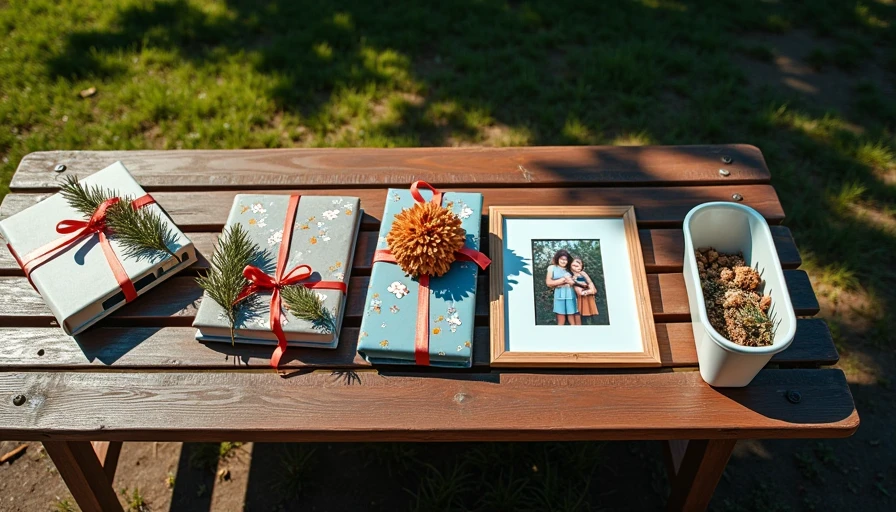
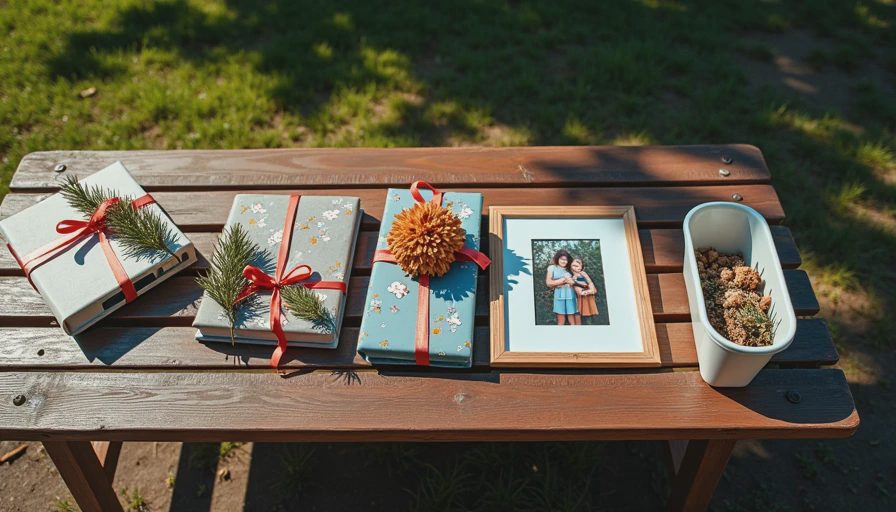
Look for evidence. What does the person repair, repeat, carry, cook, read, or complain about? Their routines are better shopping guides than a generic gift list. If they always borrow your charger, buy the right replacement. If their old travel mug leaks, find a simple insulated one with a dependable lid. If they keep a handwritten recipe collection, have one family recipe printed and framed in a restrained format.
Avoid gifts that create a new obligation. Plants require care. Specialty appliances require storage. Personalized objects can be difficult to pass along. Even a well-intended subscription can become another email to cancel. Ask whether the gift reduces friction or adds a task.
Meaningful presents that create memories not waste should also respect the recipient's taste. You do not have to share their style, but you should notice it. A person with an uncluttered home may prefer a single bar of excellent soap to a basket of themed products. Someone who dresses simply may appreciate one soft scarf in a quiet color, not six accessories chosen for visual impact.
Price is not a reliable measure of attention. A $20 ingredient for a dinner you cook together can carry more emotional weight than a $200 object selected in a hurry.

The gift of a small ritual
Some presents become meaningful because they repeat. Give a set of postcards and promise to send one each month. Choose a particular bakery for a birthday breakfast every year. Create a winter soup night, a summer swim, or a standing walk after Thanksgiving dinner. The first occasion may feel modest, but repetition gives it shape.
A ritual also works across distance. Mail a favorite tea with a note for a shared video call. Send the same puzzle to two households and compare progress. Buy a book you will both read, then schedule a conversation instead of assuming it will happen. The physical item acts as a thread between two lives.
This is where meaningful presents that create memories not waste become especially powerful. They do not ask the recipient to admire a thing forever. They invite the recipient into an experience that can continue changing.
A simple process for better gift decisions
First, write down three details about the person: a habit, a current challenge, and something they have enjoyed recently. Second, decide whether your gift should offer time, pleasure, relief, or connection. Third, set a budget before browsing so attractive but irrelevant objects do not take over.
Next, choose one idea and make it concrete. Buy the class, reserve the table, assemble the ingredients, or write the date in a card. If you are giving an object, identify where it will live and how often it will be used. That small mental picture can prevent an impulsive purchase.
Finally, remove one piece of excess. A gift does not need a matching basket, five add-ons, or elaborate wrapping. Brown paper, a handwritten note, and a clear invitation are enough. Giving less often makes the central gesture easier to see.
The quiet measure of a good present
A successful gift may not produce the biggest reaction at the moment of unwrapping. Some of the best ones are understood later: when someone reaches for the tool during a familiar routine, remembers a day you planned, or tells the story again without being prompted.
That is why I prefer meaningful presents that create memories not waste. They leave room in a home and still take up space in a life. They say, I noticed you. I considered what would serve you. I wanted time with you, not simply credit for finding something.
The next time a birthday or holiday approaches, resist the pressure to fill a bag. Choose one experience, one useful pleasure, or one small ritual. Wrap it lightly. Give it fully. Give less. Mean more.
Comments
No comments yet — be the first to share a thought.