
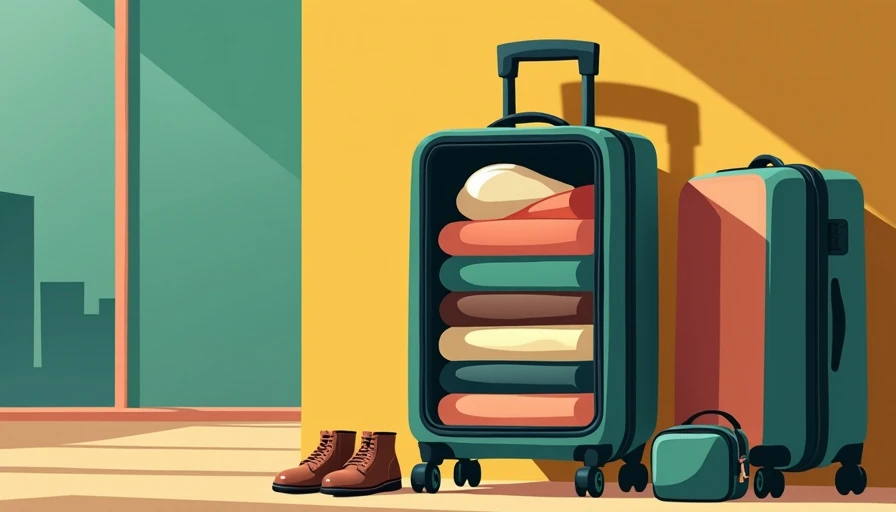
Minimalist Travel Gear List: Pack Less, Travel Better
Minimalist travel gear list for lighter trips: thoughtful essentials, useful examples, and a simple way to pack less without losing comfort or care on the road.
A minimalist travel gear list is not an invitation to own a smaller version of every travel product. It is a way to notice what earns its place in your bag. After years of designing daily objects, I still ask the same question before packing: will I reach for this without being reminded? If the answer is no, the object is probably asking you to carry its marketing instead of its usefulness.
The aim is not to travel without comfort. It is to carry a small group of reliable things that solve real problems, work together, and disappear into the background of the trip. A three-day city visit, a week at a rental apartment, and a long-haul flight each need slightly different choices, but the principles stay steady: reduce duplication, choose durable materials, and leave room for what cannot be planned.
Start with the bag, not the accessories
The bag determines the behavior of everything inside it. For most urban trips, I prefer a soft-sided carry-on or a 20- to 28-liter backpack with a full-zip opening. A clamshell design lets you see the entire interior, while a structured base keeps shoes and a toiletry pouch from collapsing into a heap. Look for a comfortable hip belt only if you will walk substantial distances; extra straps are not automatically useful.
A bag in the $100 to $250 range can be a sensible long-term purchase, but price is less important than dimensions, weight, and repair support. Patagonia, Osprey, Cotopaxi, and Tom Bihn each approach travel differently, so try a loaded bag before buying when possible. Empty weight matters: a four-pound bag leaves less of your airline allowance for clothing and books.
My minimalist travel gear list begins with one personal item that fits under the seat whenever the itinerary allows. That choice changes the entire packing conversation. You stop asking which extra shoes to bring and start asking whether the shoes already on your feet can handle dinner, walking, and an unexpected rainy afternoon.
Choose clothing that does more than one job
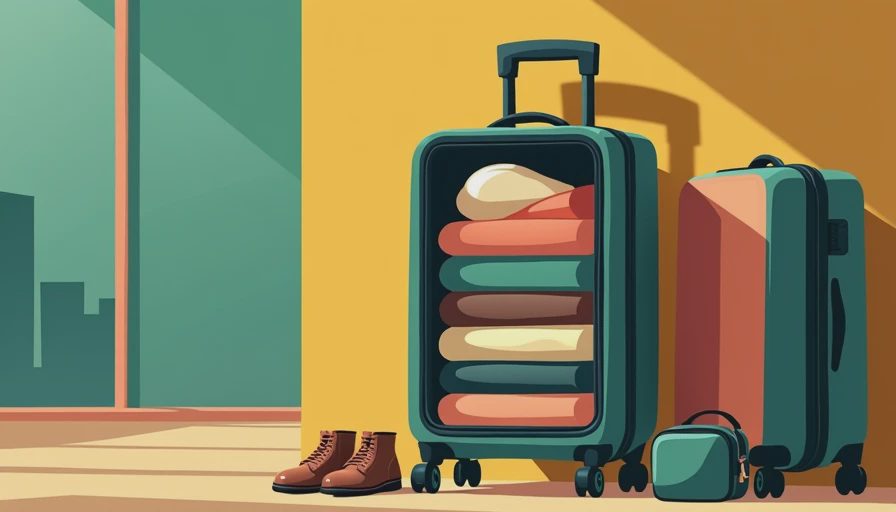
Clothing is usually where a careful pack becomes a crowded one. Pack a small color family so every top works with every bottom. Two bottoms, three tops, one light layer, sleepwear, underwear, and socks can cover several days when fabrics dry overnight. Merino wool, lightweight cotton, and technical blends each have a place; the best material depends on climate, laundry access, and personal comfort.
I like one pair of walking shoes, one thin layer such as a cardigan or overshirt, and a compact rain shell when the forecast calls for change. A second pair of shoes deserves a specific reason. If it exists only because you might attend an imaginary elegant dinner, leave it home. A scarf or bandana can become a sun layer, napkin, hair tie, or small towel without pretending to be four separate products.
Packing cubes can help, but they are not a moral requirement. One medium cube for clothing and one small pouch for undergarments are enough for many trips. The goal is not to create a miniature filing cabinet. The goal is to keep your bag calm when you open it in a dim hotel room.
The small tools that justify themselves
The strongest pieces on a minimalist travel gear list are quiet. A short USB-C charging cable, a compact wall charger with two ports, and a small power bank can replace a knot of single-purpose electronics. Confirm your devices before leaving: a phone, headphones, camera, and tablet do not necessarily need four separate chargers.
A universal travel adapter is useful for international trips, but buy one with a fuse or overload protection and check that it matches your destination. A lightweight eye mask can be worth carrying for red-eye flights or unfamiliar rooms. Earplugs take almost no space and can make a city-center hotel feel more restful. A reusable water bottle is practical if it fits a side pocket and is easy to clean; a heavy insulated bottle often becomes a burden after the first long walk.
I would not pack a separate travel wallet, passport cover, luggage scale, shoe bag, and cable organizer by default. Some travelers will use them constantly. Others are simply adding containers to contain other containers. Put each proposed item on the table and describe the problem it solves. If the answer is vague, the object has not earned its place.
Build a compact personal-care system
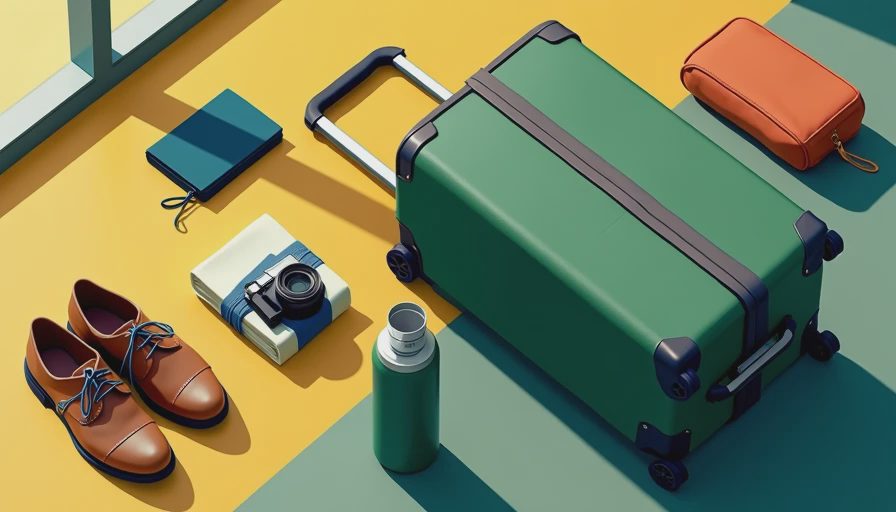
Toiletries become excessive because their normal homes are large. Decant shampoo, cleanser, and lotion into small refillable bottles, then bring only the amount required for the trip plus a little margin. A solid soap or shampoo bar can eliminate a bottle, though it should be stored in a ventilated tin so it does not dissolve into luggage.
A toothbrush, toothpaste, deodorant, prescription medication, sunscreen, and any genuinely necessary skin care usually cover the essentials. Medication should remain in its original labeled packaging when practical, especially for international travel. Keep liquids together in a clear pouch so airport screening does not turn the bottom of your bag into a drawer excavation.
A minimalist travel gear list should include a tiny repair option: a few safety pins, a needle, several feet of strong thread, and a strip of fabric tape. This is more useful than carrying a full sewing kit. Add a few bandages and any personal medication, but do not attempt to pack a pharmacy for every theoretical inconvenience. Local stores exist in most populated destinations, and buying one needed item can become part of the trip rather than a failure of preparation.
Pack for the actual itinerary
Before closing the bag, write the trip in plain language. “Four days in Chicago with walking, one work dinner, and laundry available” creates better decisions than “city trip.” “A week in a cabin with a rental car” permits different footwear and food storage than “vacation.” Packing for the itinerary also reveals what you can borrow, rent, or buy at the destination.
Lay everything out, then remove one category before removing individual items. If you packed three sweaters, remove the third sweater. If you packed two cameras, decide which experience each camera serves. I often take a photograph of the final layout; on the next trip, it becomes a record of what was actually used rather than what I feared needing.
Leave roughly 15 percent of the bag empty. That space accommodates a snack, a damp layer, a small purchase, or simply the ease of not forcing a zipper closed. A packed bag should not look like a puzzle solved under pressure. It should close with one hand.
A final test before you leave
Carry the packed bag around your home for ten minutes. Walk upstairs, sit down, lift it from the floor, and reach for your passport or water bottle. These small tests reveal a painful shoulder strap or an inconvenient pocket before the airport does. We test chairs before buying them; travel bags deserve the same courtesy.
Then ask three questions. Does every item serve a clear purpose? Do any two items perform the same job? Could I replace a specialized object with something already packed? This is the heart of a minimalist travel gear list: not deprivation, but editing.
The best travel gear does not announce itself. It dries when needed, charges without drama, keeps your papers together, and lets you spend attention on the place you came to see. Pack the things that support that attention, and let the rest remain at home. Give less. Mean more.
Comments
No comments yet — be the first to share a thought.